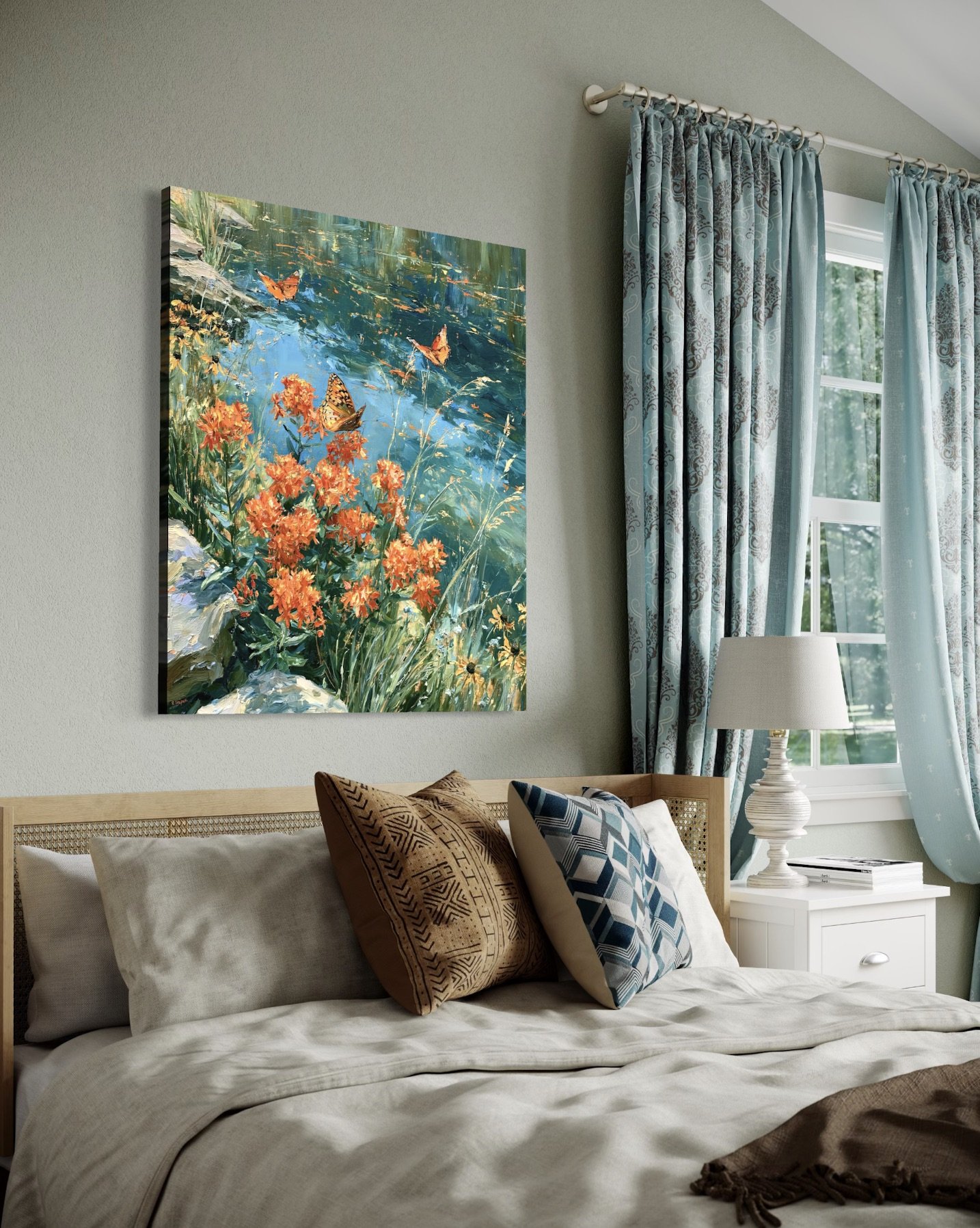
Appalachian Botanicals: The More I Learn, the More There Is to Learn
Artist's Notes / Appalachian Botanicals
When people see Appalachian Botanicals, they might assume I decided to create a collection of native Appalachian wildflower paintings and then went looking for subjects.
The truth is that I didn’t really set out to build this collection at all.
I think I just finally recognized that I had already been building it.
Nathan and I have spent years exploring lakes, coves, creeks, and shoreline banks. We fish. We wander. We pull into places that look interesting. We let the dogs run. We climb around on sandstone. We investigate whatever catches our attention that day.
If I’m being honest, I don’t think I’ve ever been very good at passing something interesting without stopping to take a closer look.
For years I would see a bloom along a bank and think it was beautiful. Then I’d move on.
Somewhere along the way that changed.
Now when I see something I don’t immediately recognize, I want to know what it is. Is it native? Is it endemic? Is it threatened? Is it introduced? What pollinates it? What grows beside it? Why is it growing there and nowhere else?
The more I learn, the more there is to learn.
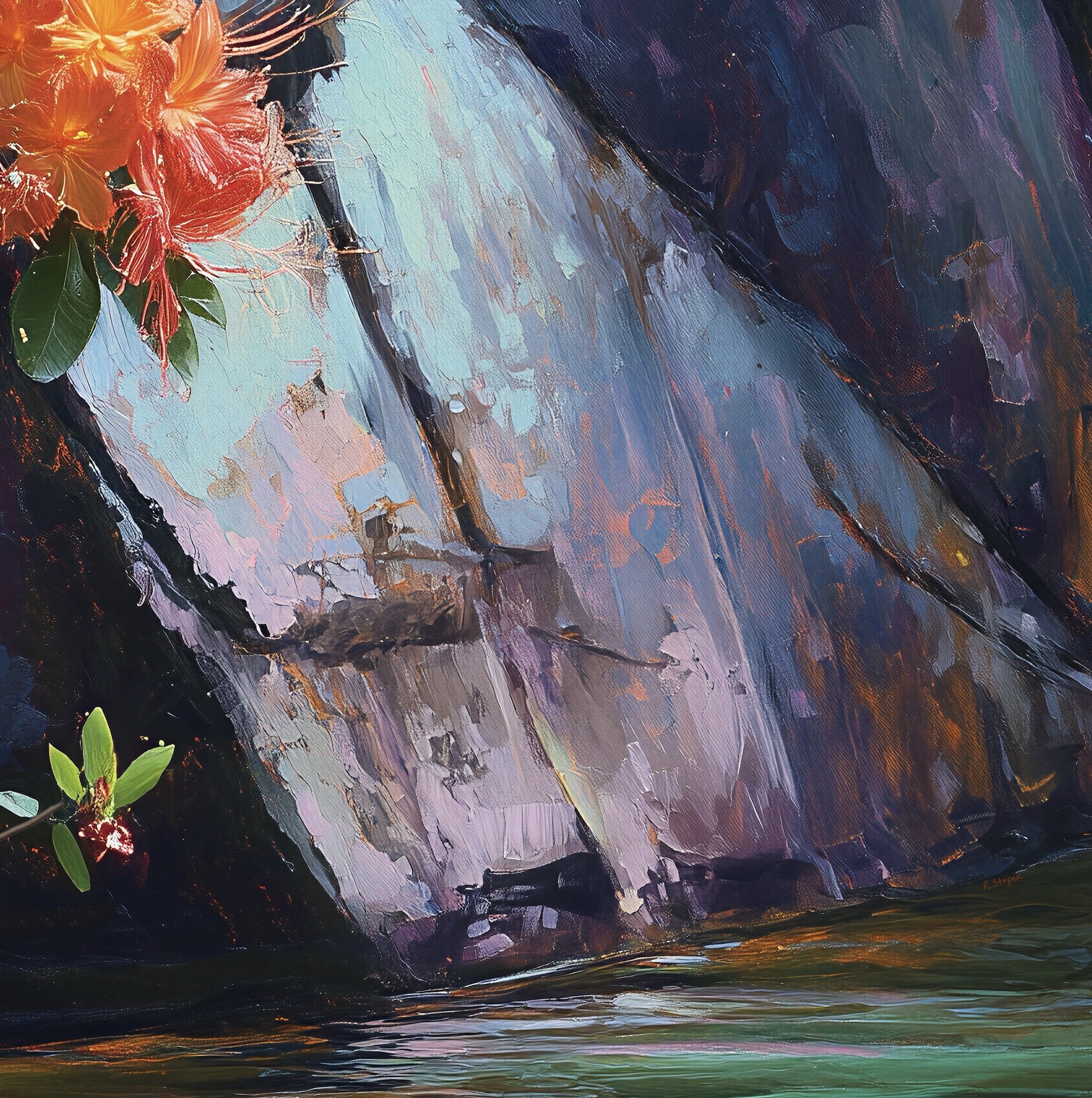
Just recently I spotted a bright orange patch high above the water while we were out exploring. The color caught my attention immediately. Before long I was barefoot, climbing a steep bank to see what it was.
That probably sounds unusual.
For me, it isn’t.
The color is usually what gets me first. If I don’t recognize it, there’s a good chance we’re pulling the boat over. Once we’re stopped, anything can draw me in. Sometimes it’s a flower. Sometimes it’s a salamander. Sometimes it’s wildcat tracks in the mud. Sometimes it’s a mushroom. Sometimes it’s a plant I’ve never noticed before.
The farther I go, the farther I want to go.
What finally made me realize these paintings belonged together wasn’t any single flower. It was recognizing that I had developed a genuine fascination with the native plants surrounding the places I already loved: the lakes, the creeks, the coves, the cool shaded banks, and the old-growth feeling places with mosses, ferns, sandstone, clear water, and rhododendrons arching over the edges.
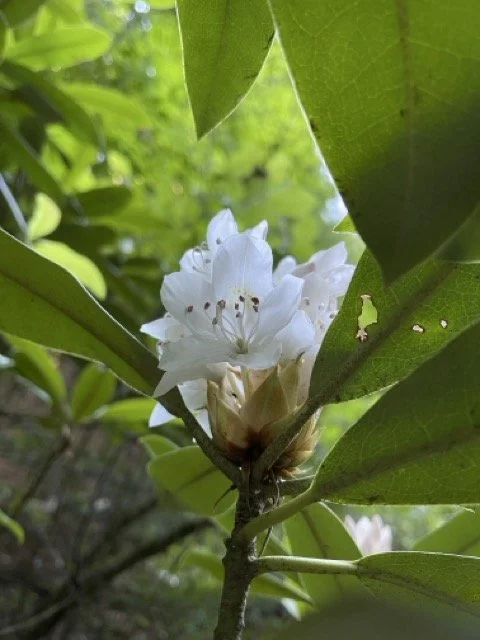
When I looked back through my reference photos, I started noticing the pattern. Again and again I was stopping for native plants. Again and again I was researching them after I got home. Again and again I was taking more photos than I needed because I wanted to understand what I was looking at.
From my reference photo files



That’s when Appalachian Botanicals started to feel inevitable.
Not because these were the only plants I wanted to paint, but because they were the first four pieces of a much larger story.
Of all the plants in the collection, Cumberland Azalea probably surprised me the most.
The first time I photographed it, my Seek app identified it as Flame Azalea. Later, when I got home and started reading more, it identified it as Cumberland Azalea instead.
That mismatch immediately got my attention.
I wanted to know which one it actually was.
Then I wanted to know why, what made them different, where Cumberland Azaleas grow, why they grow there, and what made them special.
By the time I finished reading, I was completely fascinated.
What started as a bright orange flower on a bank had become a Southern Appalachian endemic with its own history, ecology, and place in the landscape.
That seems to happen to me a lot.
The more closely I look at something, the more interesting it becomes.
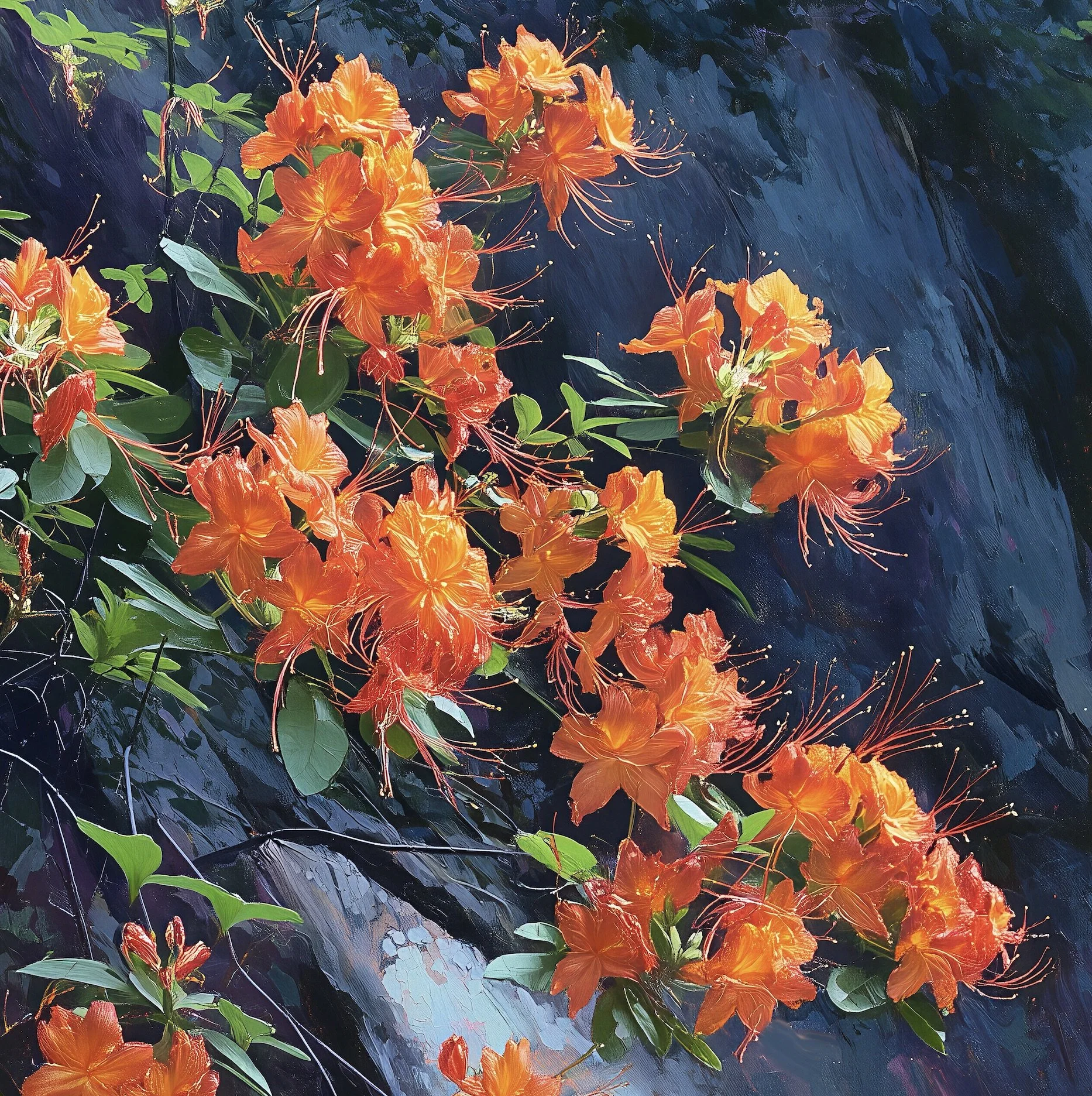
01 / Sandstone Bankline
Cumberland Azalea on Purple Sandstone
Cumberland Azalea, Rhododendron cumberlandense
A tall vertical piece about the orange that made me stop, the purple sandstone that held it, and the green water below.

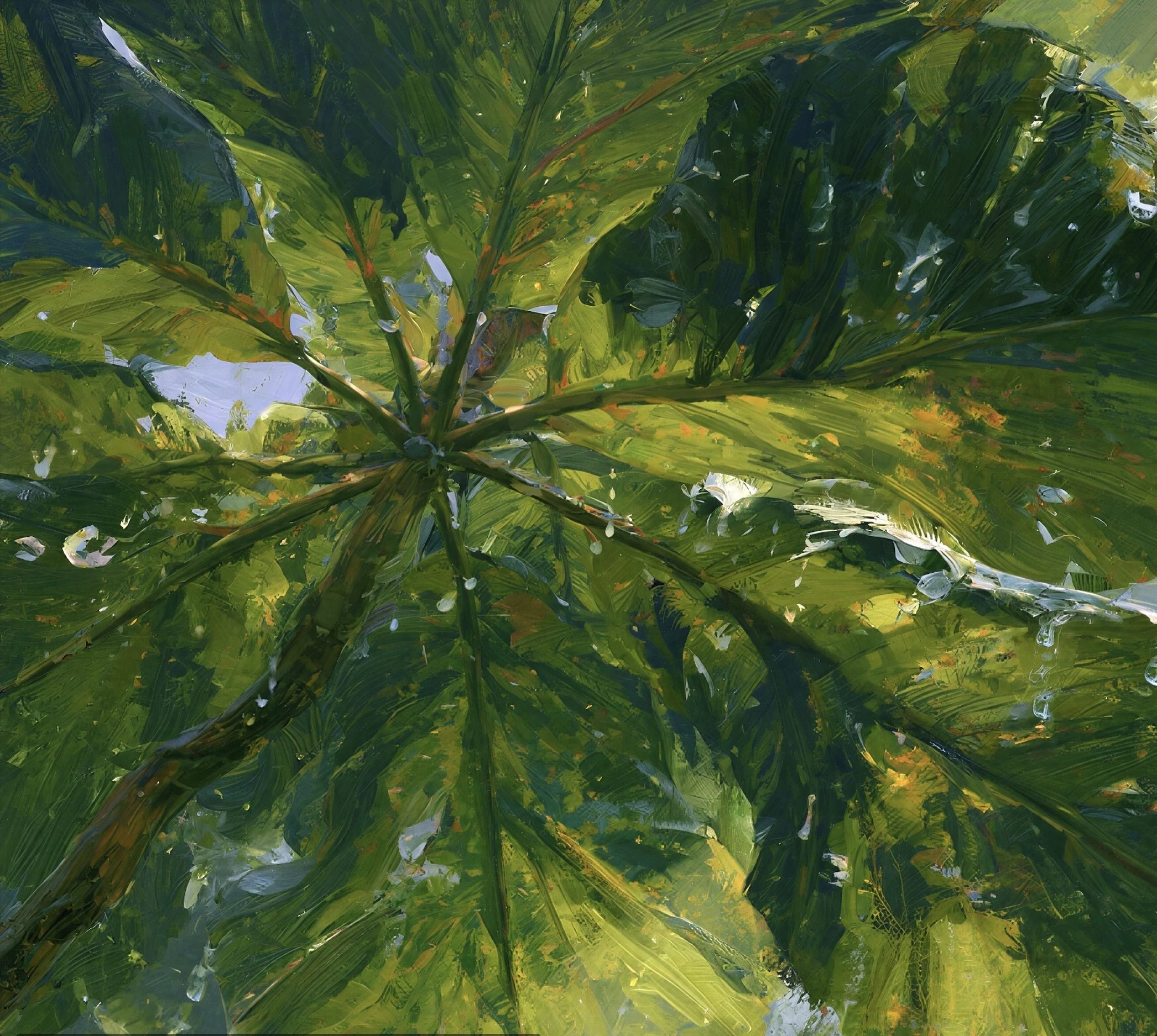
I’ve loved Umbrella Magnolias for years. Nathan and I have waited out summer rain beneath those giant leaves more than once. There is something magical about them. One day they seem like little more than bare stems. Then suddenly they unfold into enormous green canopies that completely change the feeling of a place. Even after all these years, I still stop when I see one.
02 / Shelter Under Leaves
Beneath Ancient Leaves
Umbrella Magnolia, Magnolia tripetala
This one is about the shelter feeling: filtered rain light, huge leaves overhead, ferns below, and the strange magic of a native tree that can make a place feel older than the trail you took to get there.




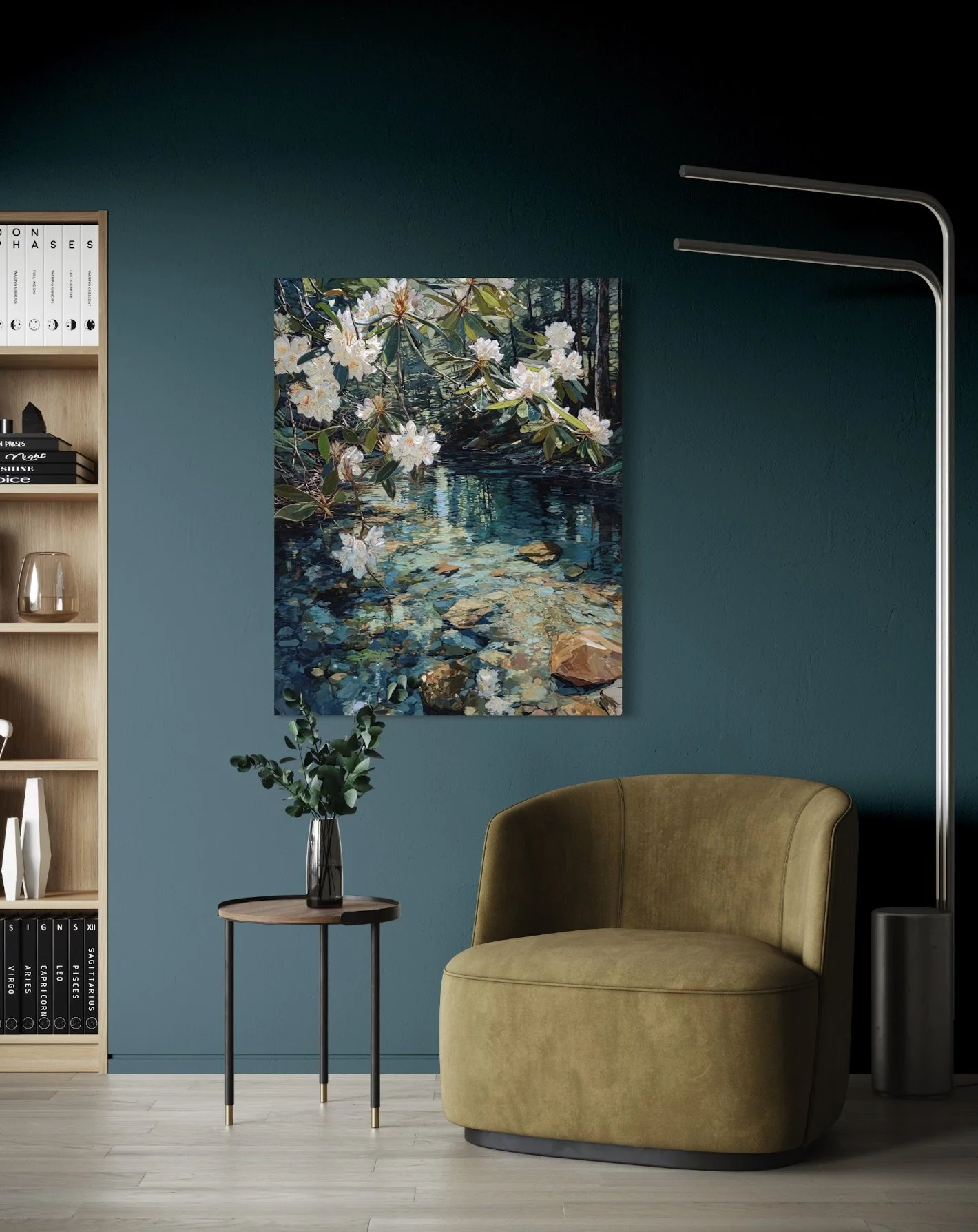
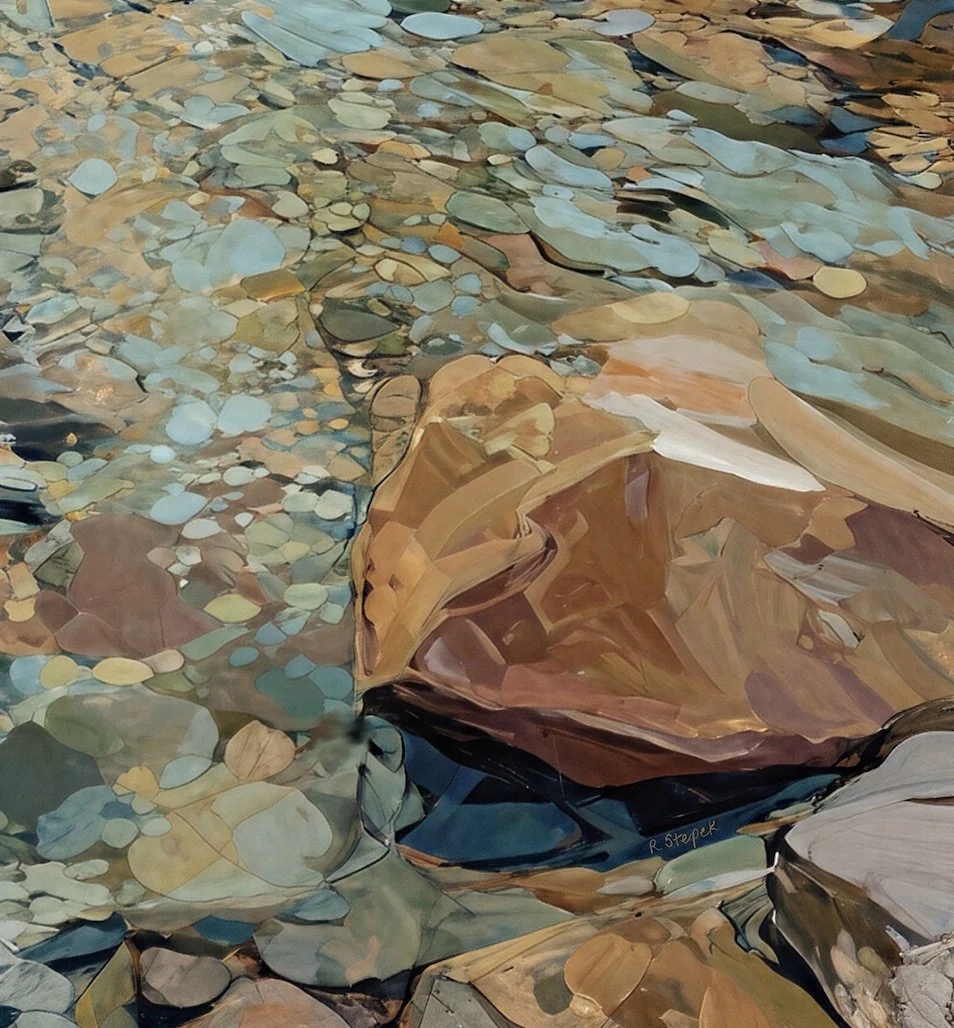
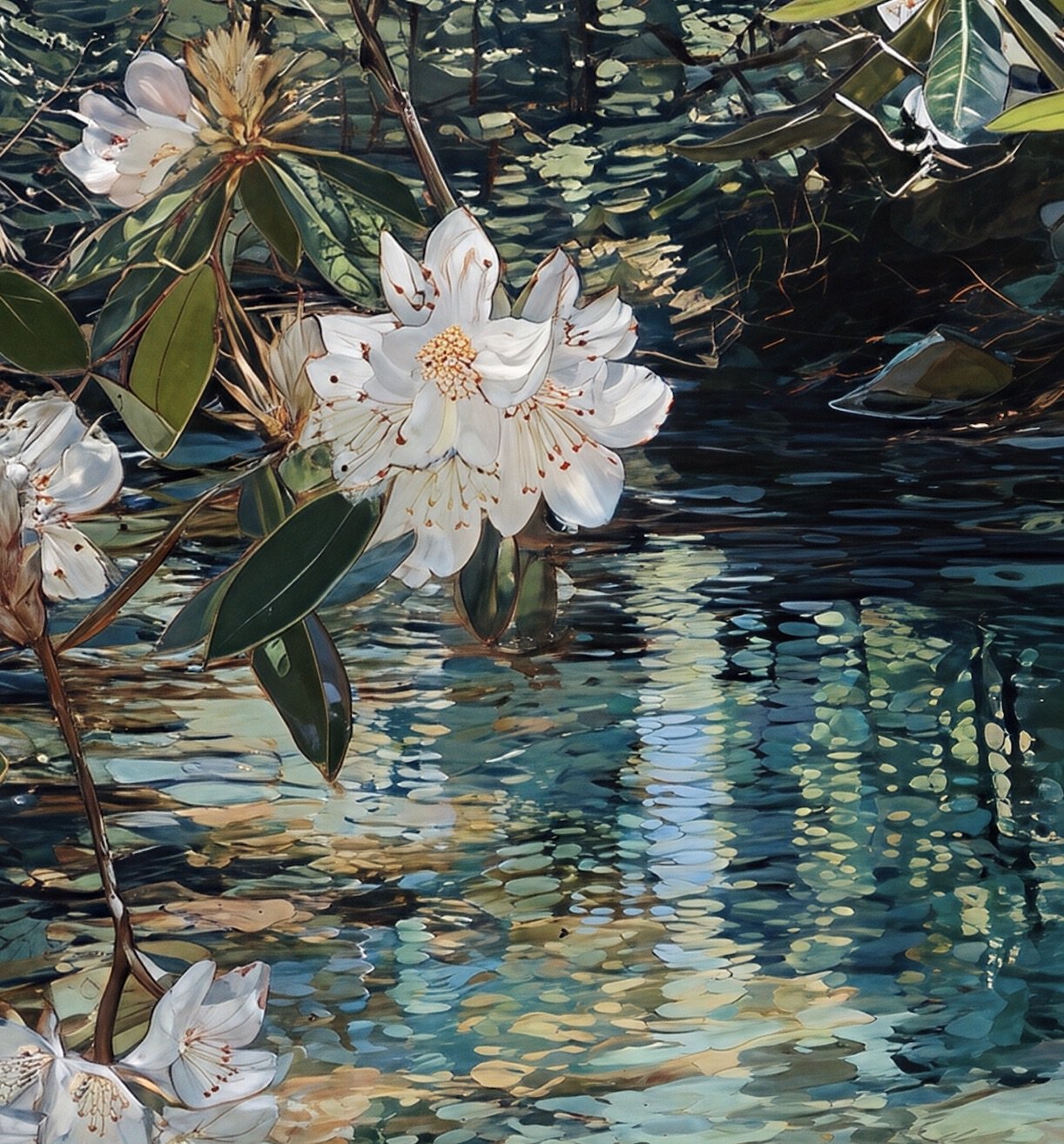
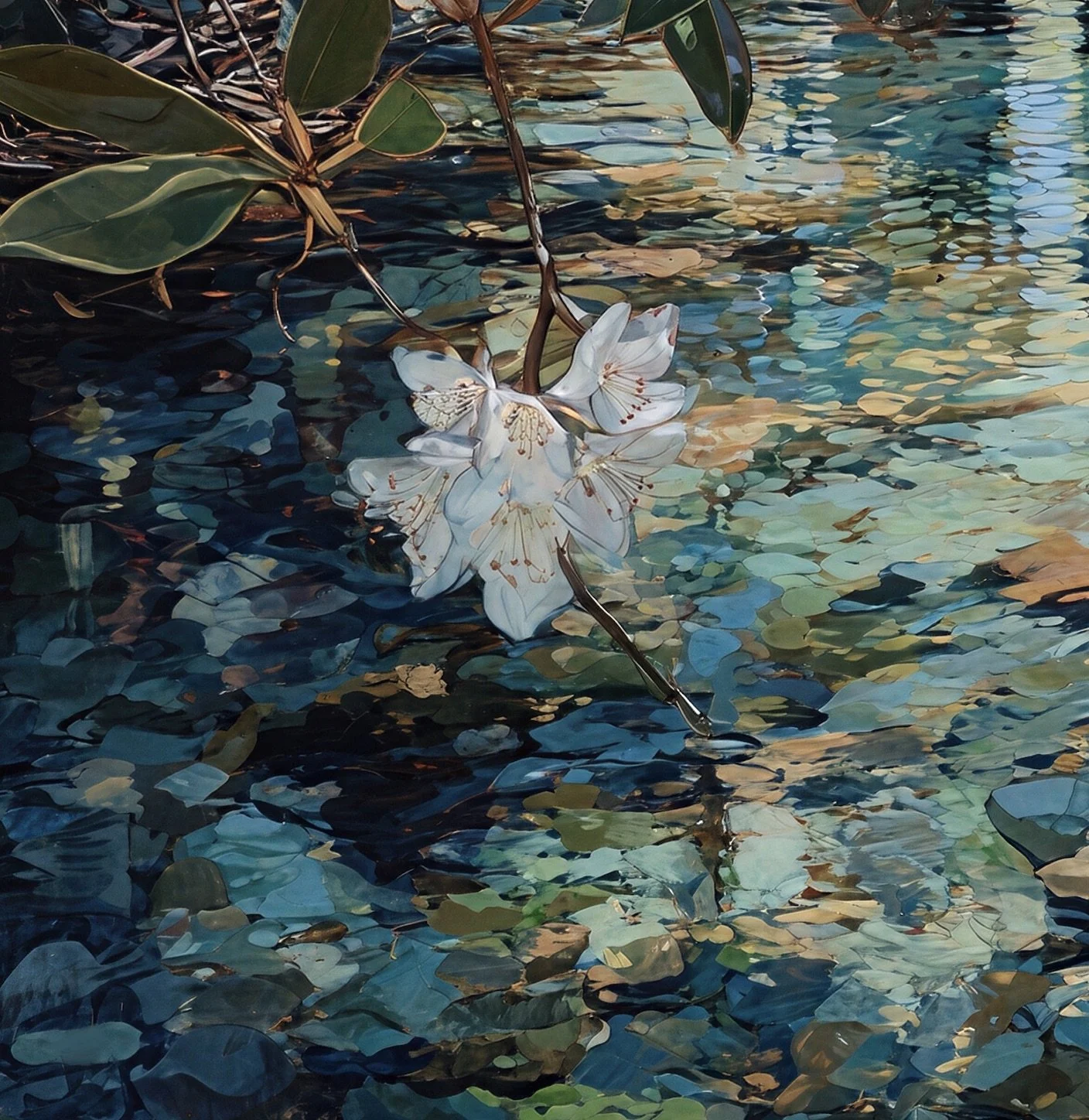
Great Laurel connects to some of my favorite environments in the world. Cool creek corridors lined with mosses and ferns. The kinds of places that naturally make you slow down. Around here we always called them rhododendrons. It wasn’t until recently that I learned how commonly they are called Great Laurel. The native white blooms have always felt at home in those cool shaded places.
03 / Clear Creek Shade
Great Laurel Over Clear Creek
Great Laurel, Rhododendron maximum
White native rhododendron blooms, creek stones, mossy shade, and the kind of water that feels half hidden beneath evergreen branches.

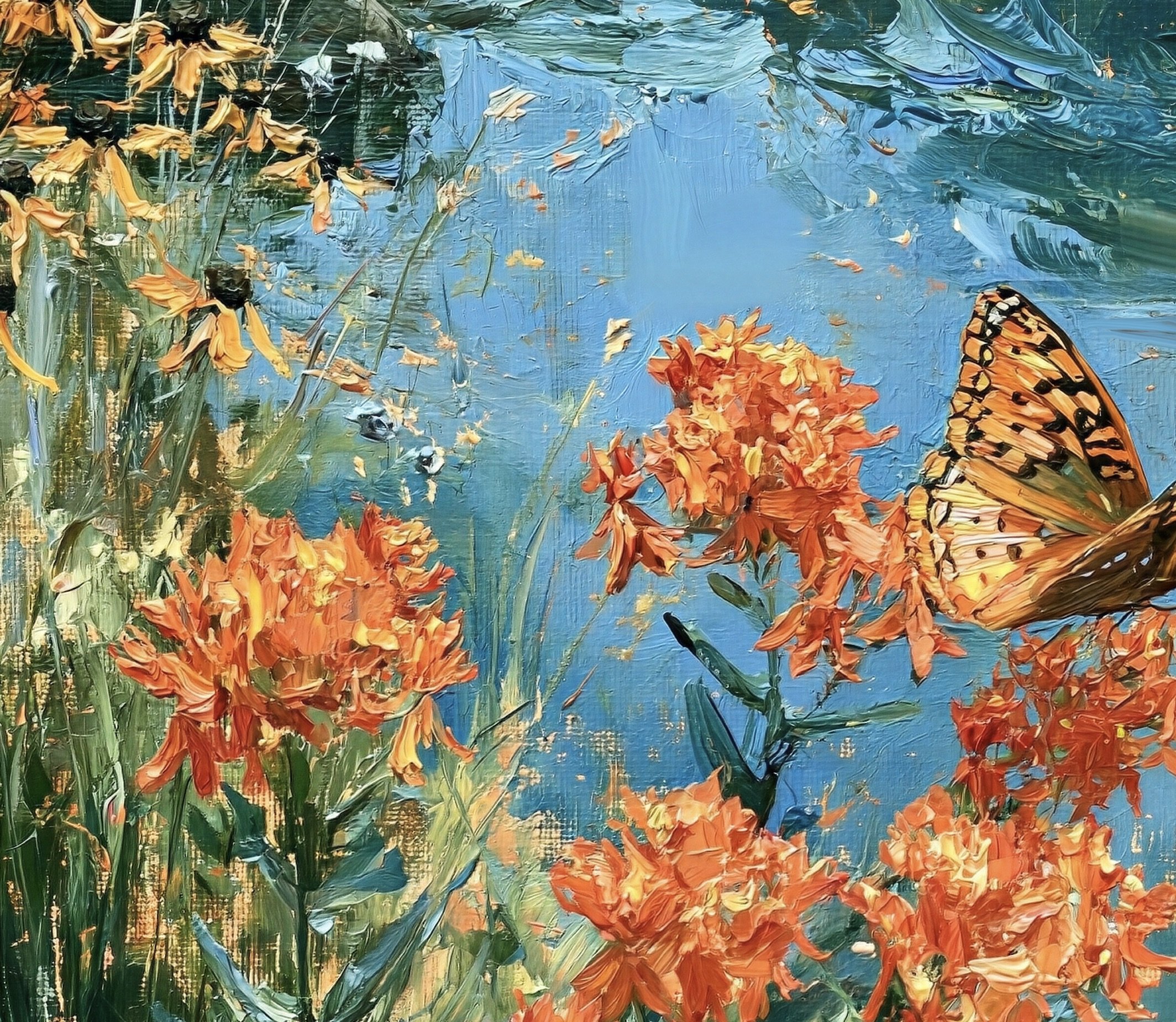
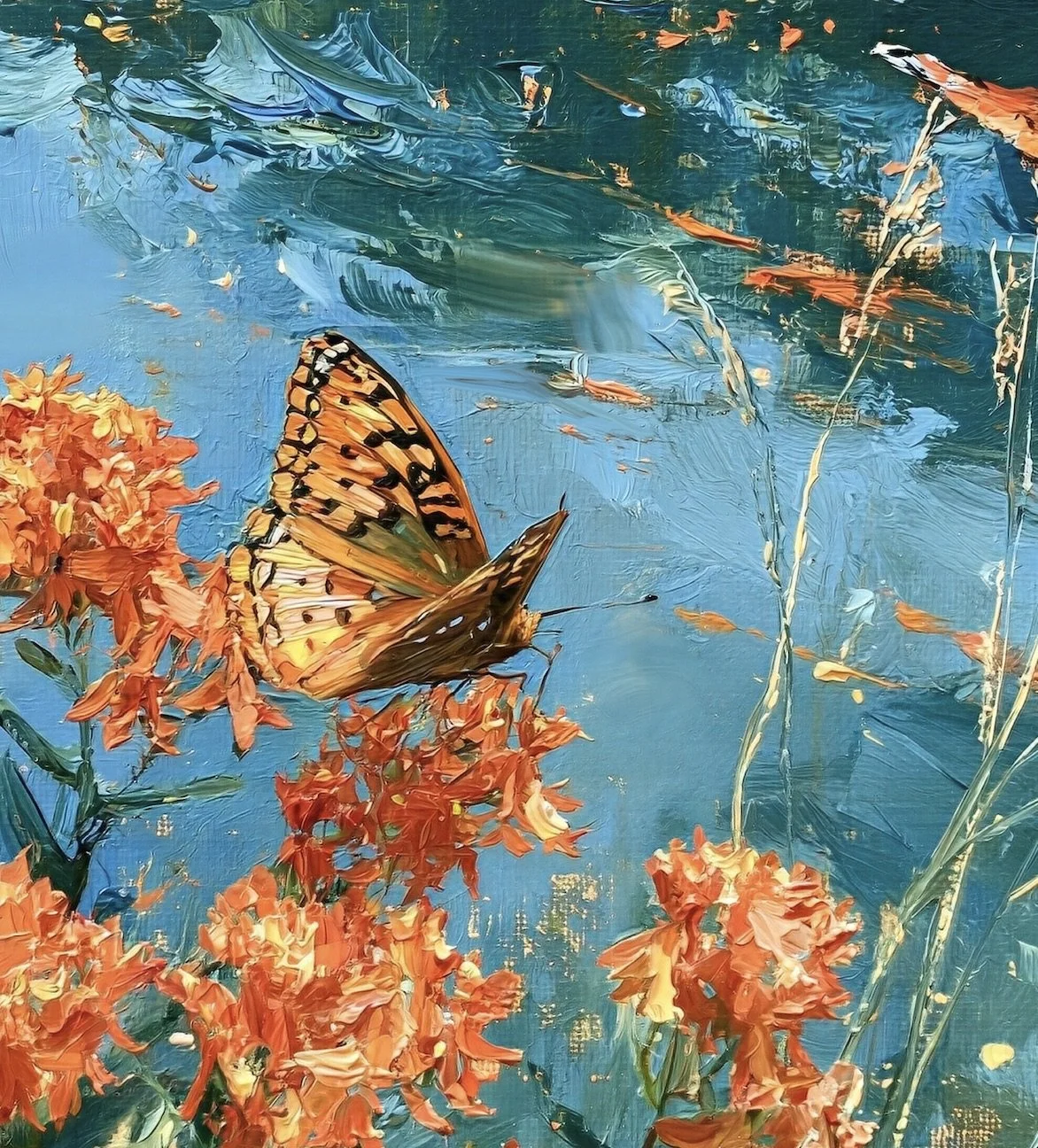
Butterfly Milkweed reminded me that plants are never really alone. The flowers caught my attention first, but the longer I watched, the more interested I became in everything happening around them: the fritillaries, the pollinators, the movement, and the relationships. The plant became part of a larger story.
04 / Pollinator Gathering Place
Where the Fritillaries Gather
Butterfly Milkweed, Asclepias tuberosa, with Great Spangled Fritillaries
The butterflies are part of the subject. Orange milkweed, fritillaries, grasses, black-eyed Susans, rocks, and reflected blue-green water all belong to the same summer place.


As I worked on the collection, I realized these paintings weren’t really about flowers. They were about paying attention, slowing down long enough to notice something, pulling the boat over because I saw a color I couldn’t identify, and learning that a place I thought I already knew still had surprises waiting for me.
If there is one thing I hope people take away from Appalachian Botanicals, it isn’t that I paint flowers.
It’s that I love this area: the lakes, the native plants, the ecology, and the way things connect to each other. I love finding something I’ve never noticed before and spending the rest of the evening reading everything I can find about it.
And I love turning those discoveries into artwork that can live in someone’s home and help them remember the places they love too.
These four paintings aren’t the collection. They’re the beginning of the collection.
Every time I go exploring now, I’m taking reference photos. I’m collecting stories. I’m paying attention to what grows along the water. I’m finding new plants I want to learn more about.
The more I learn, the more there is to learn.
And I suspect that’s going to keep me busy for a very long time.