
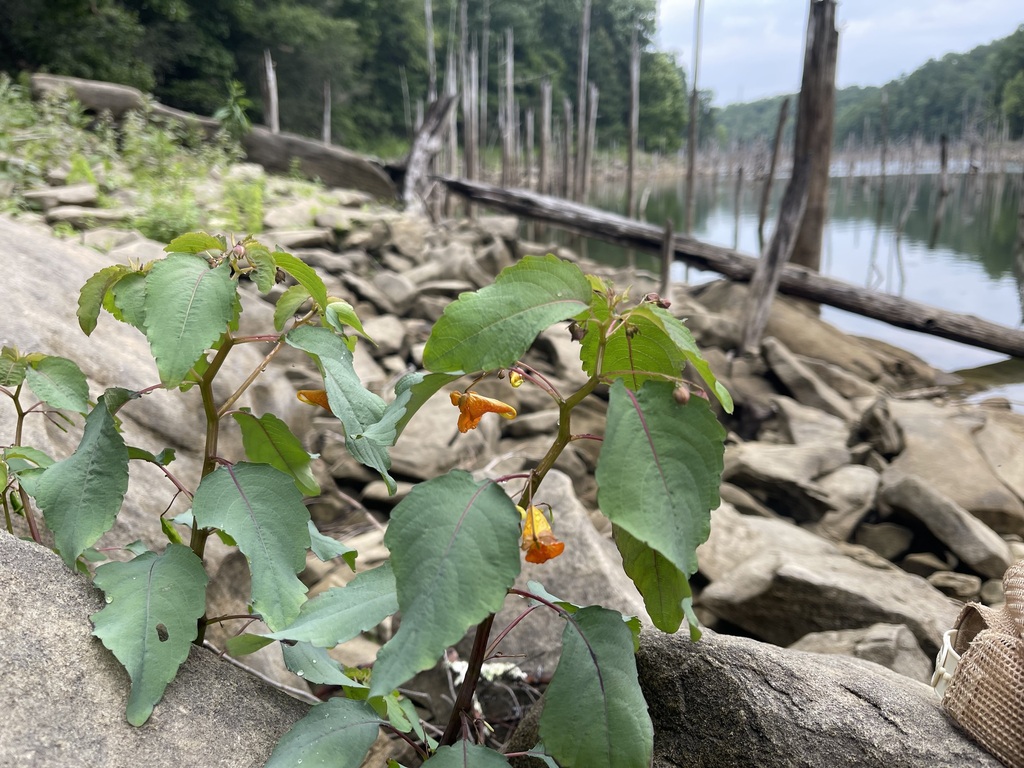
An artist’s field reference library · Laurel River Lake, Kentucky
How art reference photos became a field journal.
I began using iNaturalist to organize reference photographs for my art. As the record grew, I learned to look closer, photograph more completely, and notice the patterns in what keeps catching my eye.
How it began
One photograph was enough to jog my memory.
At first, I photographed whatever caught my eye so I could remember it later in the studio.
As an artist, I enjoy collecting photo references: a flower beside the water, an unfamiliar mushroom after rain, a turtle in the leaves, or a color I might want to return to in a painting. I began using iNaturalist to organize the observations with their ID, time, and location.
The reference library became a conversation, and I started to understand how much a photograph could reveal—or leave out.
The shift
The view that caught my eye wasn’t always enough.
By midsummer, I understood that one photograph often was not enough to identify what I had seen. The important feature might be under a mushroom cap, along a stem, inside a flower, on the opposite side of a wing, or in the surrounding habitat.
I began photographing the whole encounter, not only the part that first attracted me.
That practical change deepened both my art practice and my mindfulness practice. Looking for identifying details made me slow down, change position, and see each subject more completely. The resulting references are more specific and more useful— and they come from living things and places I observed firsthand.
What the record reveals
I return to color, texture, and small lives.
The record leans toward mushrooms, plants, saturated color, wet wood, leaf litter, shoreline growth, and animals encountered at eye level or underfoot. It shows what repeatedly makes me stop before I decide what any of it might become in the studio.
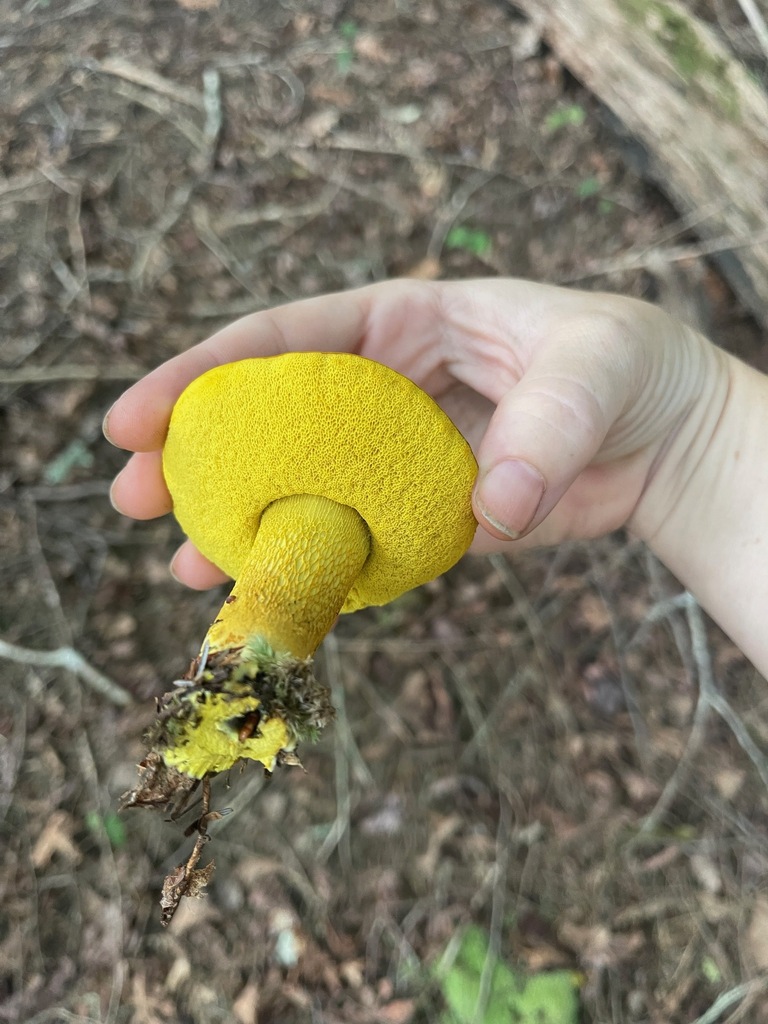
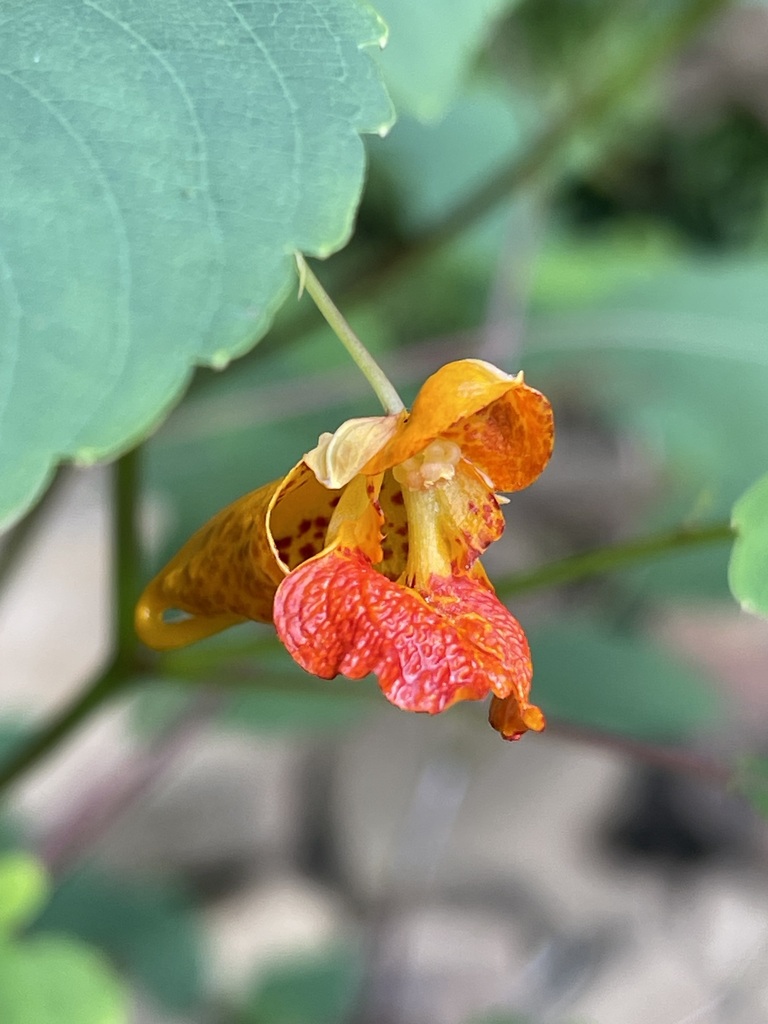
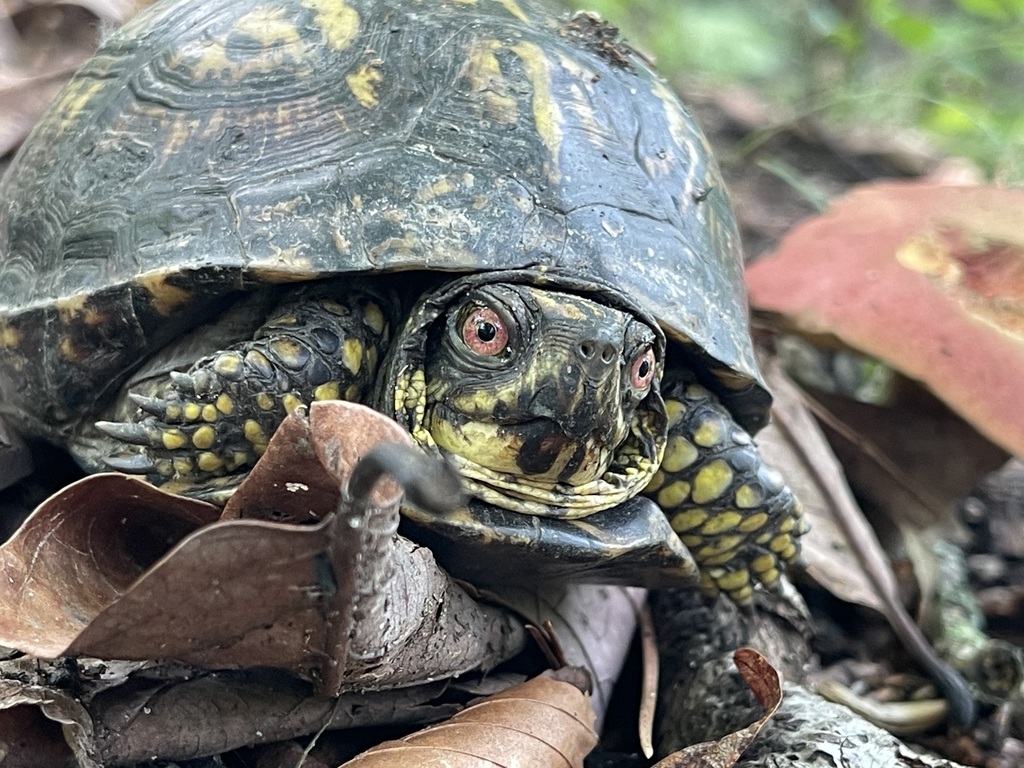
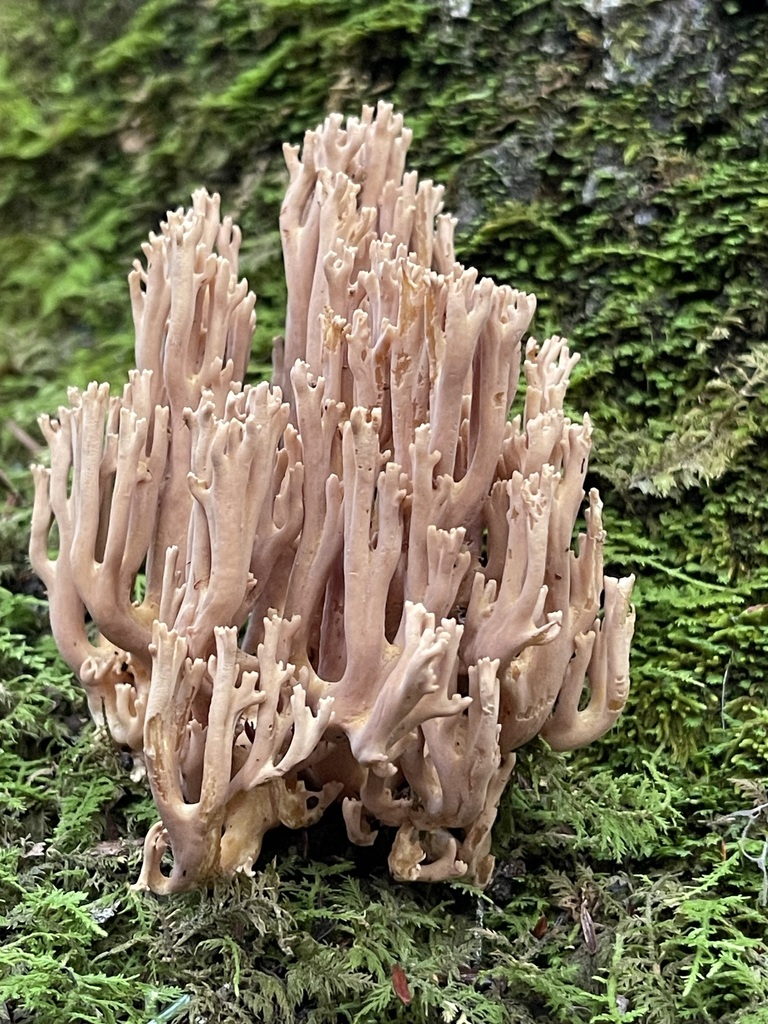
Snapshot through August 31, 2026. The live iNaturalist record continues to grow. →
From personal record to shared data
Art and Science Connect
Community members offer identifications, explain which details matter, ask for another view, and sometimes change how I understand an encounter. That process can move an observation toward Research Grade.
Of my 288 observations, 117 have reached Research Grade through that community identification process. Some are also gathered automatically into collection projects for Kentucky, Daniel Boone National Forest, native wildflowers, mushrooms and lichens, herps, orchids, medicinal plants, and species of conservation interest.
Licensed Research Grade observations can be shared with the Global Biodiversity Information Facility, an international network that makes biodiversity data available for research and conservation.
Back in the studio
I bring the details home, then let memory have its say.
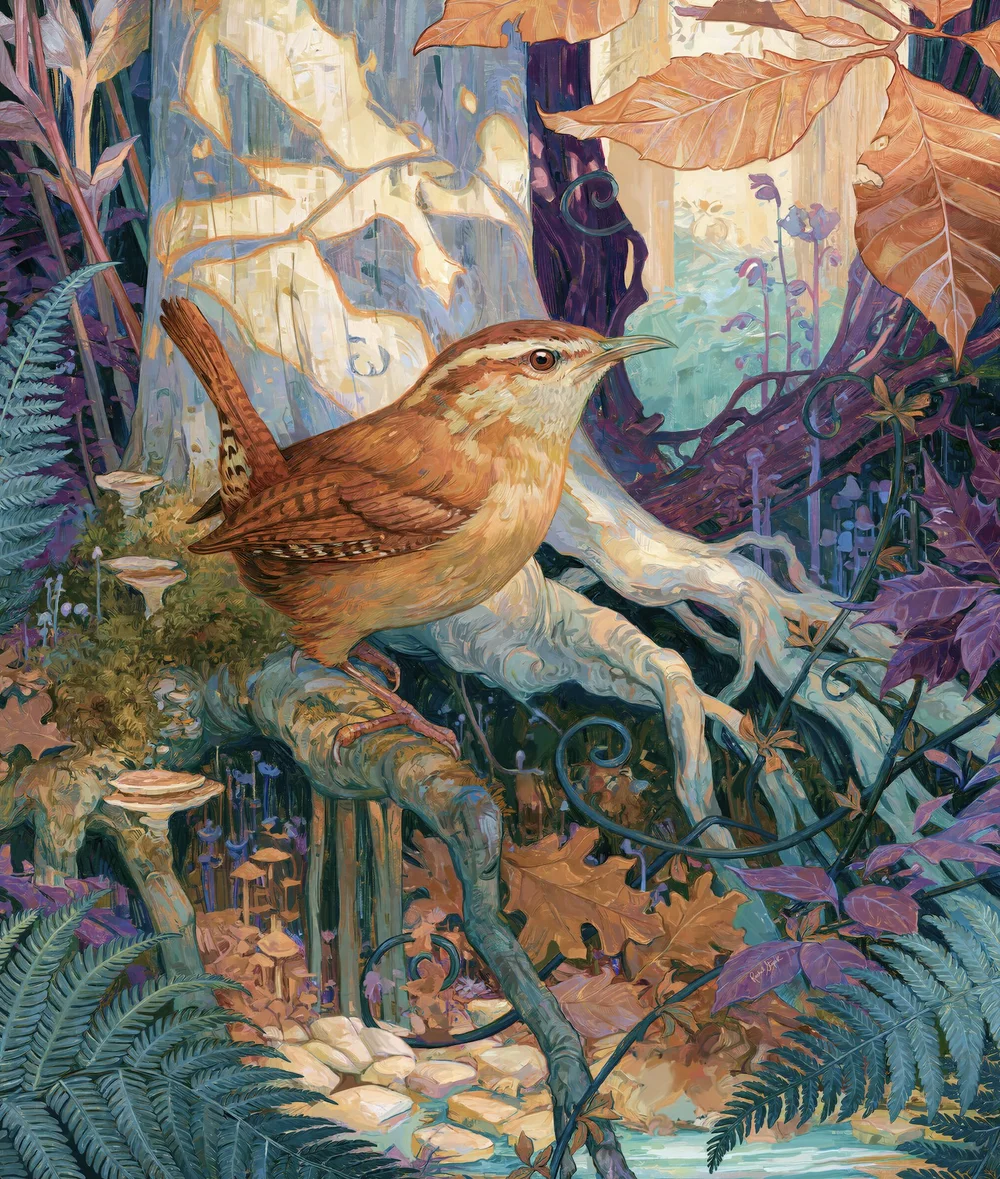
Better references give me truer species details—the serrated green of an American beech leaf, the structure of a mushroom, or the curved beak of a wren. Back at home, I combine those observations with dreamy memory, color, and imagination.
I want the living things in my art to become more truthful to what they are, but reality will never completely determine what a piece becomes. The record grounds the work; expression transforms it.
Other ways to contribute
Help while you’re already outside.
I’m already exploring the woods, and American beech is one of my favorite trees. If taking a few measurements and sending in leaf samples can help researchers protect them, that feels easy enough.