
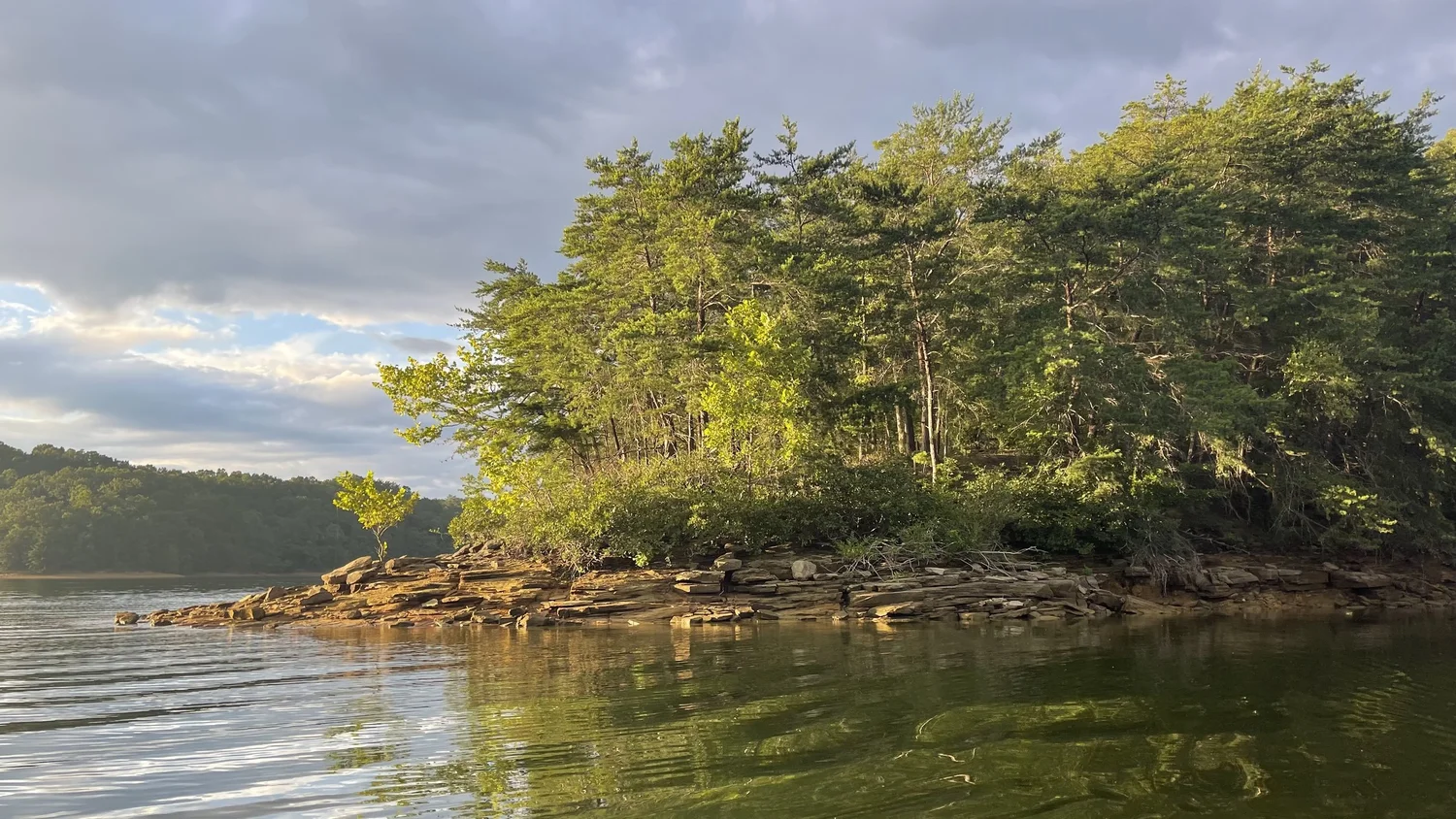
Laurel Lake · Southeastern Kentucky
Laurel River Lake art, from river to forest
Laurel River Lake—often called Laurel Lake—is a clear, forested reservoir on the Laurel River in southeastern Kentucky, with much of its wooded shoreline in Daniel Boone National Forest. I photograph emerald water over Cumberland Plateau sandstone, wooded coves and creeks, native wildflowers, ferns, mosses, mushrooms, and wildlife, then bring those observations into my artwork.
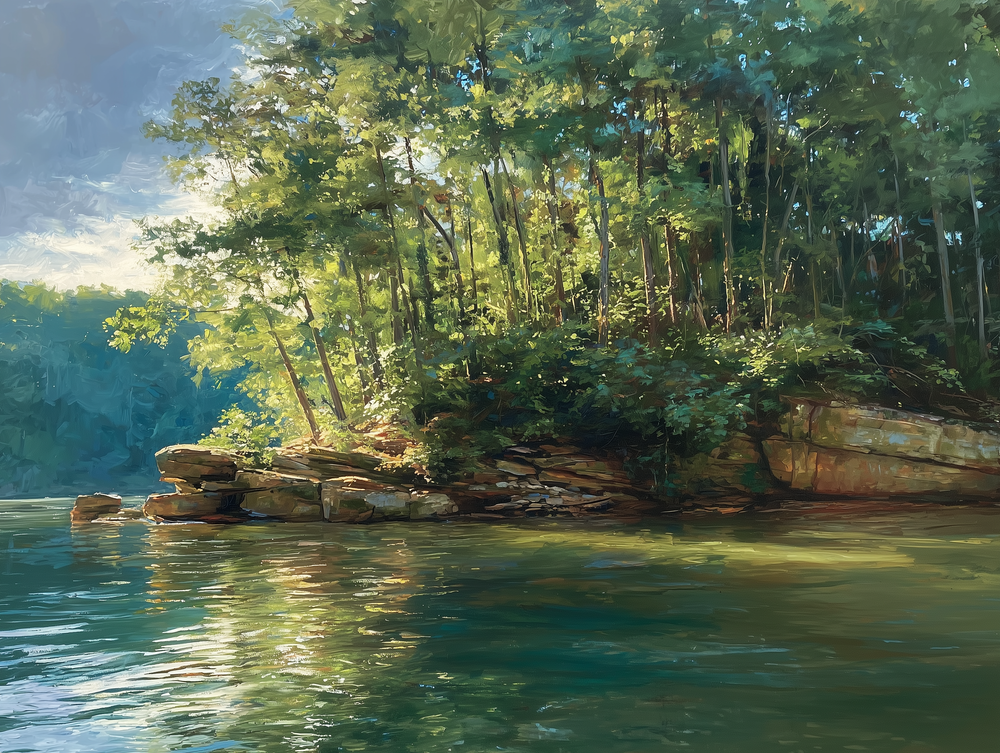
What makes Laurel look like Laurel
The lake is always changing
Season, rainfall, water level, and where we are on the lake keep changing the view. Clear water still turns emerald over Cumberland Plateau sandstone; Daniel Boone’s mixed forests cover the rolling hills, with cliffs, ledges, and boulders breaking through. Open water narrows into wooded coves and the winding upper arm, where native wildflowers, ferns, mosses, mushrooms, and small habitats show up in my photographs.

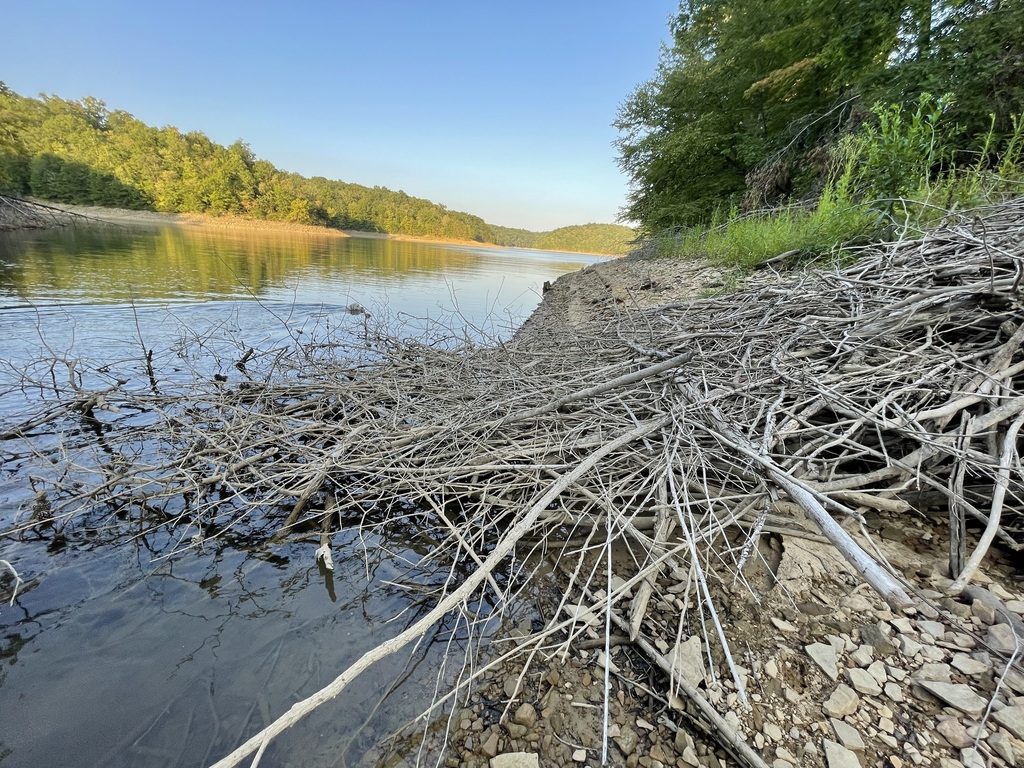
The waterline moves
The water level is one of the first things I notice when we get to Laurel. It has stayed below 2024 and 2025 levels throughout 2026; as of August 29, it sits 11.69 feet below full pool. The current reading and five-year comparison are live on the Laurel River Lake level chart.
When the Water’s Up began with the hope of watching the water rise and the memory of green reaching higher up the bank. I kept painting the fuller lake even while the rocks stayed exposed.
Daniel Boone reaches the bank
Most of Laurel’s wooded banks are part of Daniel Boone National Forest. Public forest reaches the water instead of rows of houses, leaving close coves, steep slopes, and long stretches of green.
From the field record
The same lake can turn emerald, silver, and fire
I bring these photographs back to the studio: a cove becoming its own deep green world, cloud light turning the water silver, and evening color burning across it.


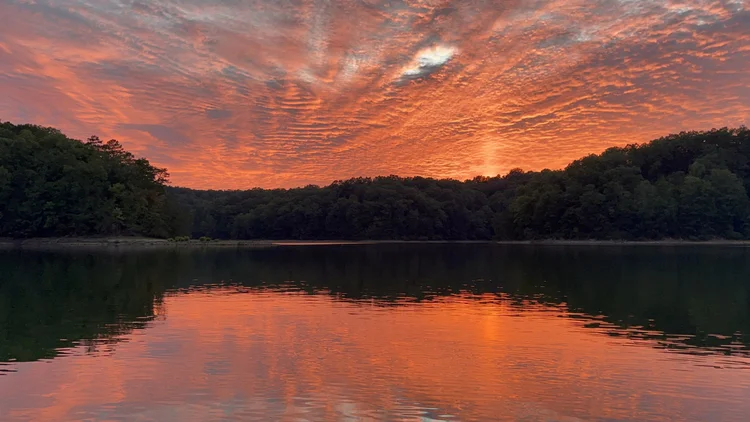
Laurel River Lake canvas prints
Each artwork begins in a different part of Laurel
I know each one by the part of Laurel that started it: an evening bank, rain running through the forest, the last light at High Top, or blue-gold reflection settling on the water.
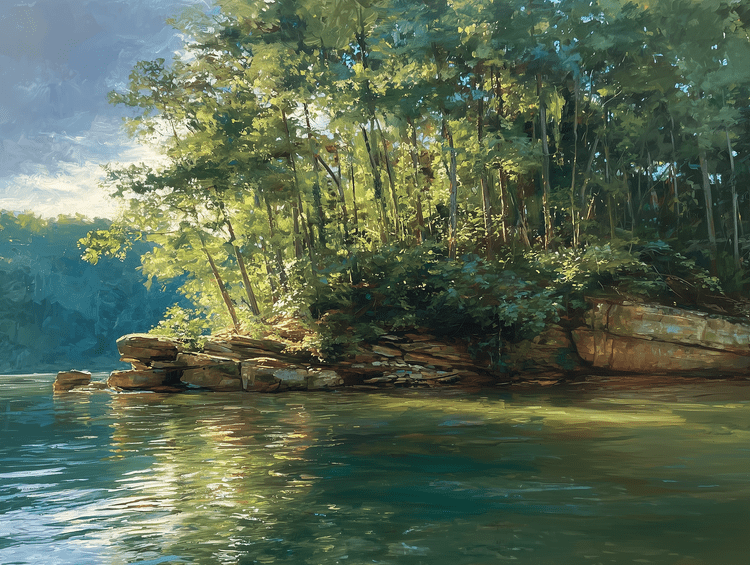 Evening Along Quiet BanksWooded Kentucky bank, sun-warmed sandstone, and green water catching the last light.Laurel River LakeCanvas PrintCanvas print · From $49 · Ready to hang
 Where the Rain Runs InForest water, run-in places, and the wet green edge of the lake.Daniel BooneKentucky WaterCanvas print · From $49 · Ready to hang
 High Top Evening DaisiesWhite daisies, lake light, and gold at the end of a High Top evening.High TopLaurel River LakeCanvas print · From $59 · Ready to hang
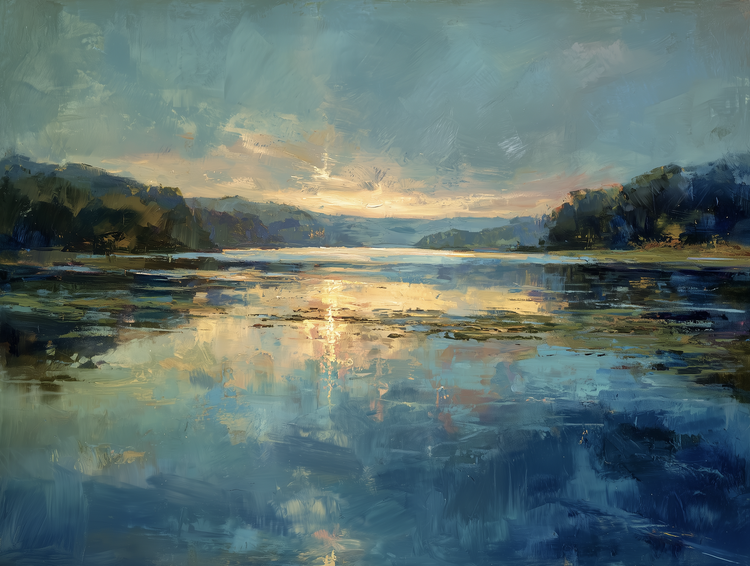 Blue-Gold StillnessBlue and gold reflection settling across still freshwater.Reflected LightCanvas PrintCanvas print · From $69 · Ready to hang
Fifty years later
A highland reservoir, grown back into the forest
Fifty years of forest regrowth have made Laurel’s water and woods inseparable. I photograph trees meeting the lake edge, moss over sandstone, mycelium threading through old wood and soil, and small habitats rebuilding along the banks.
Before Laurel Lake, the area underneath was a river valley with farms and a little over a dozen families. The surrounding landscape was a mix of second-growth hardwood forest and land that had been logged more recently. As the reservoir was being prepared, the Corps cleared vegetation from about 2,200 acres of the future lake area over roughly a year. Construction on the dam had begun in 1964, and the water started rising in July 1974.
The lake created an entirely new edge through that landscape. Not every part of the old forest disappeared—submerged timber still stands in some of Laurel’s coves—and over the fifty years since, forests that were already recovering have matured while cut areas have grown back. Native wildflowers, ferns, mosses, fungi, and small habitats now fill the banks and rocky edges around the water. Some steep, difficult places may preserve much older pieces of the forest. Today the water and woods feel inseparable. That meeting of lake and forest is the Laurel I photograph and bring into my artwork.
Official project sources: Laurel River Dam history, USACE Water Control Manual, 1975 environmental statement, Nashville District water data, and the Daniel Boone National Forest.
The lake in color
See the colors that make Laurel River Lake look like itself
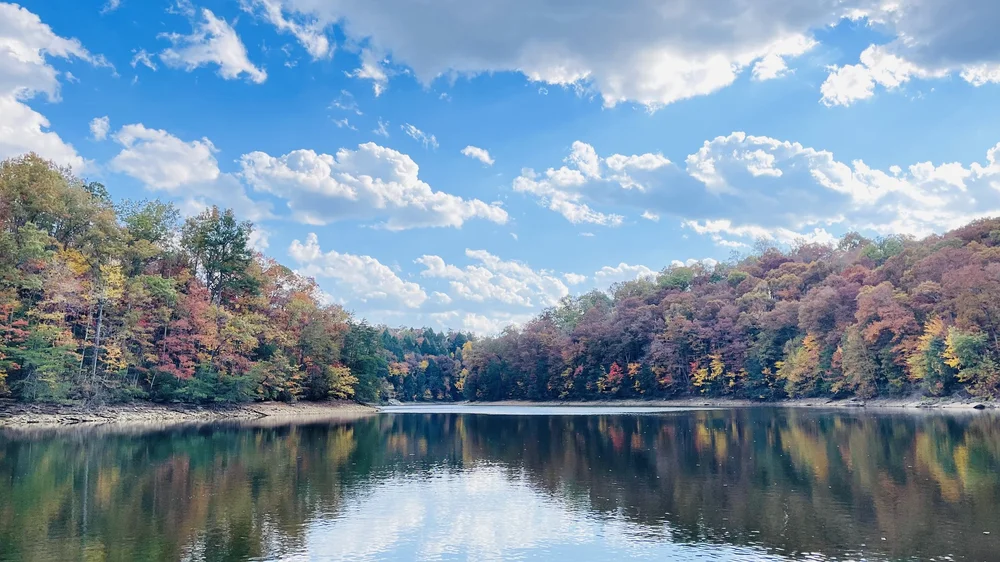
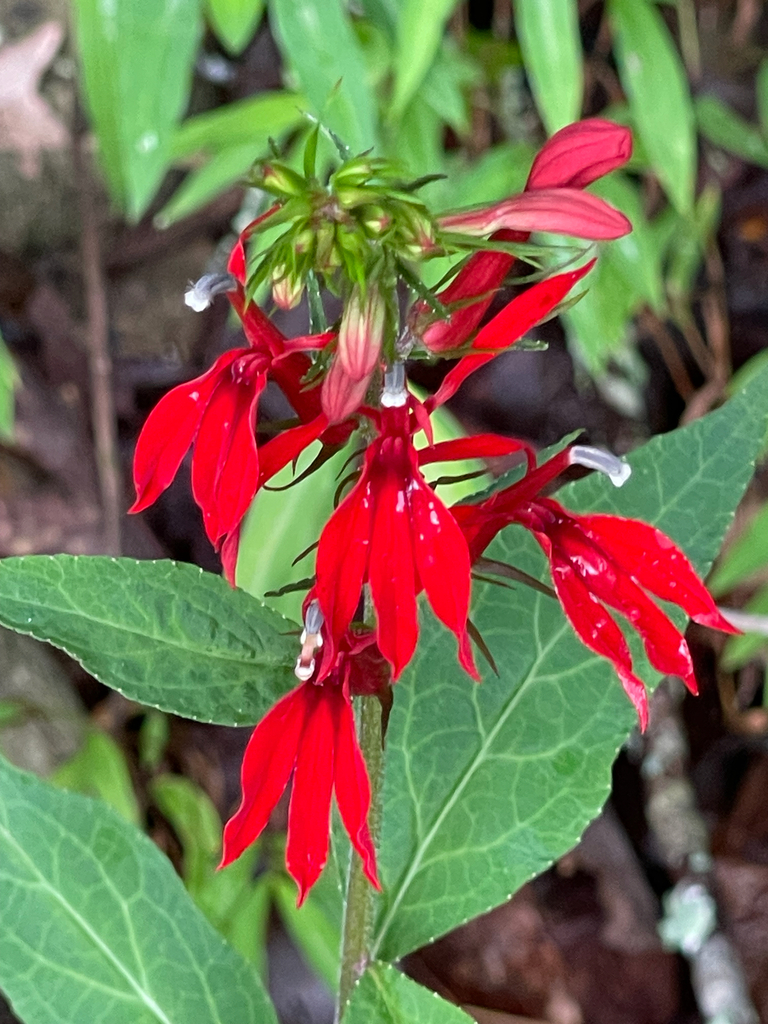
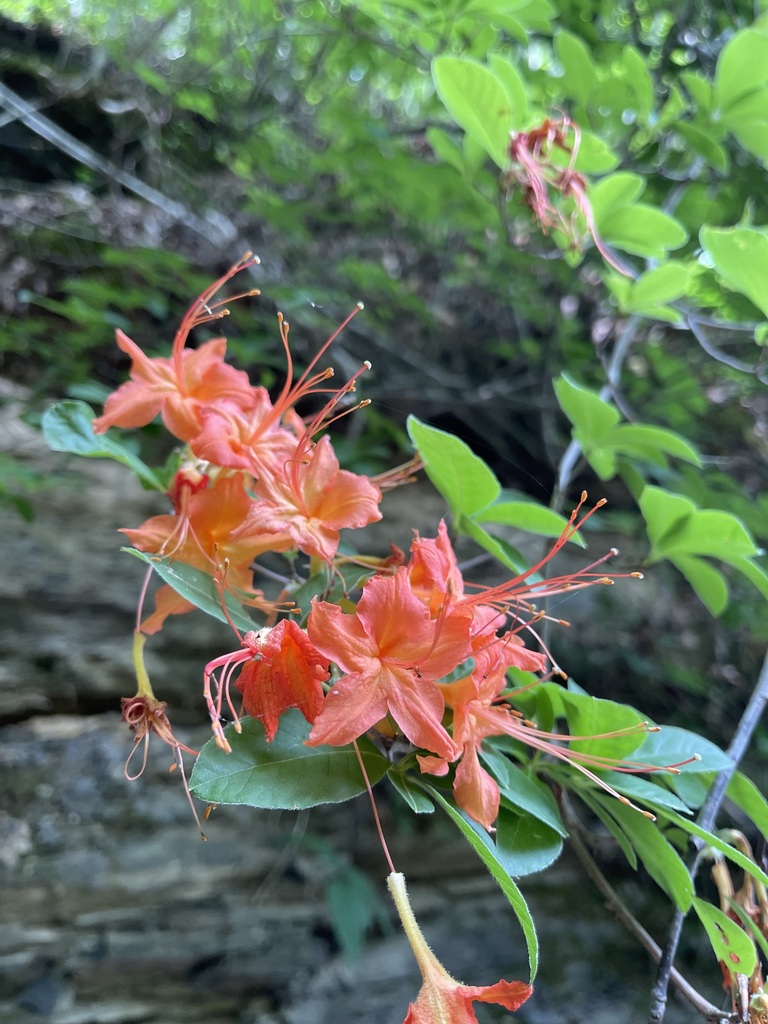
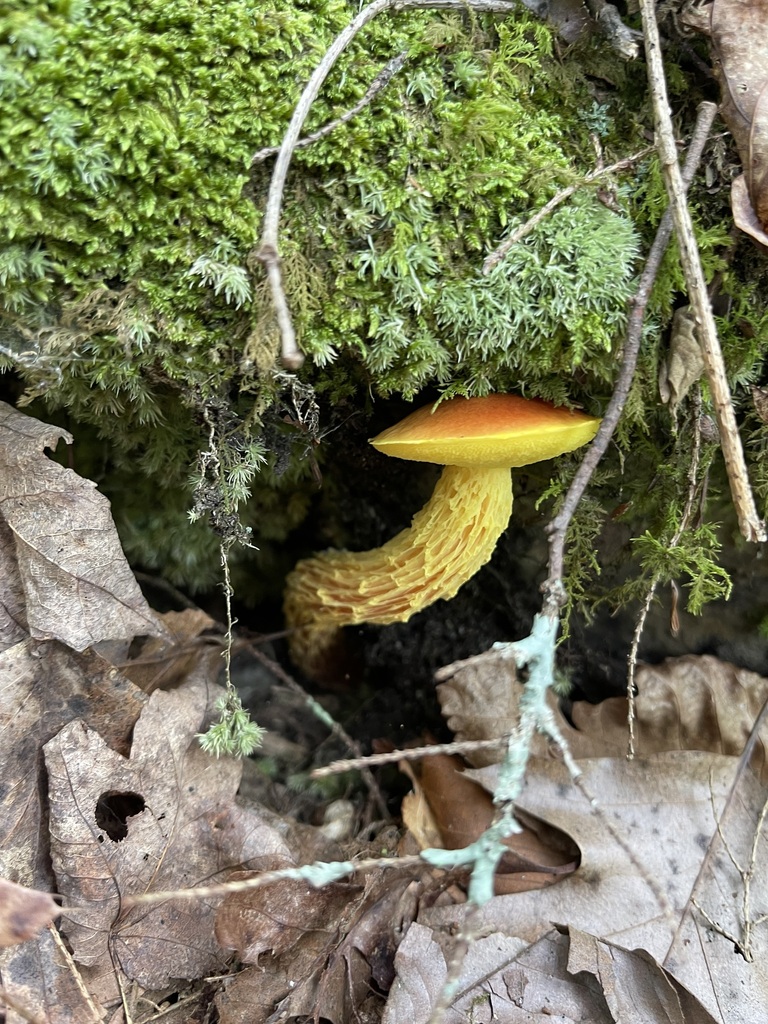
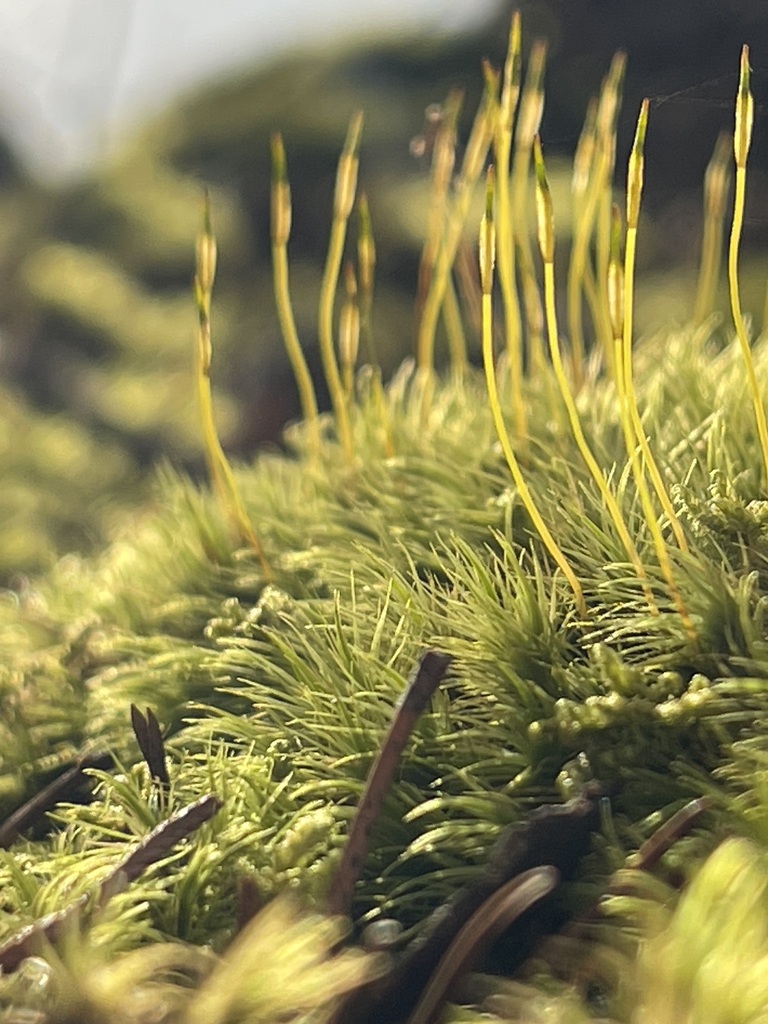
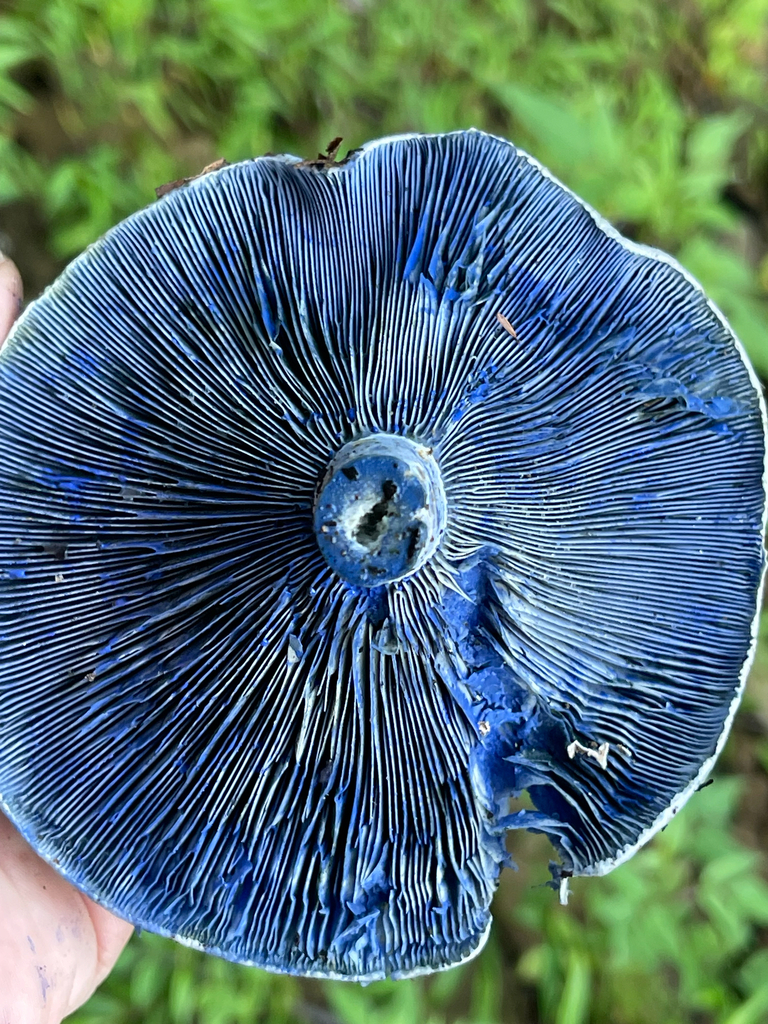
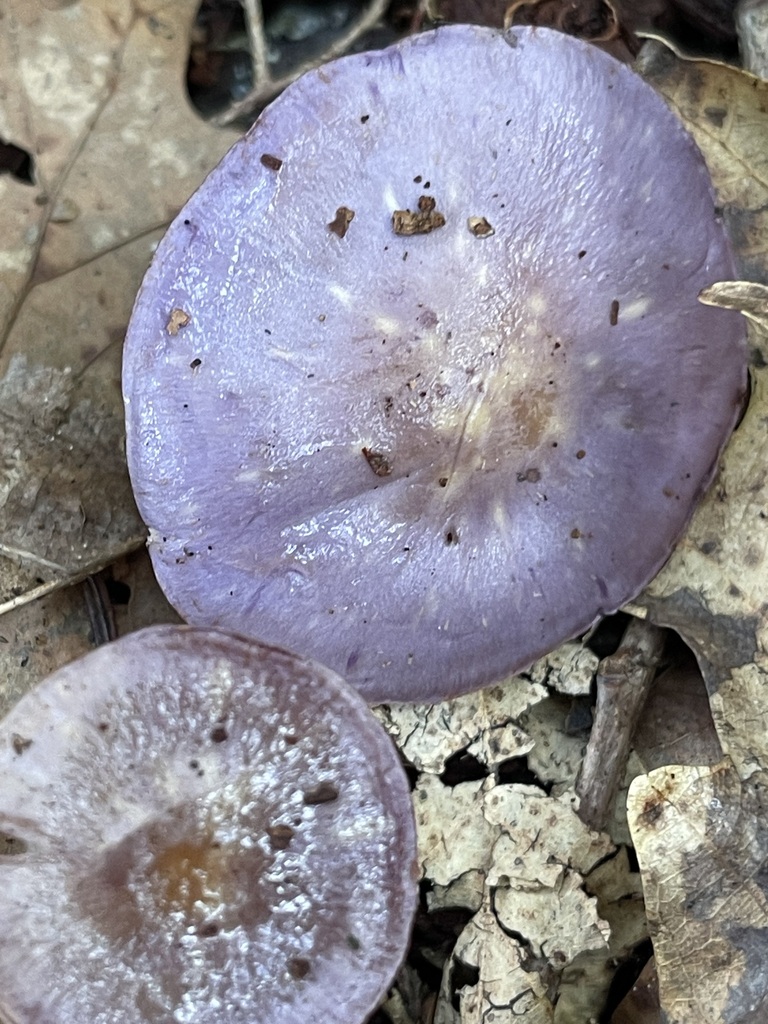
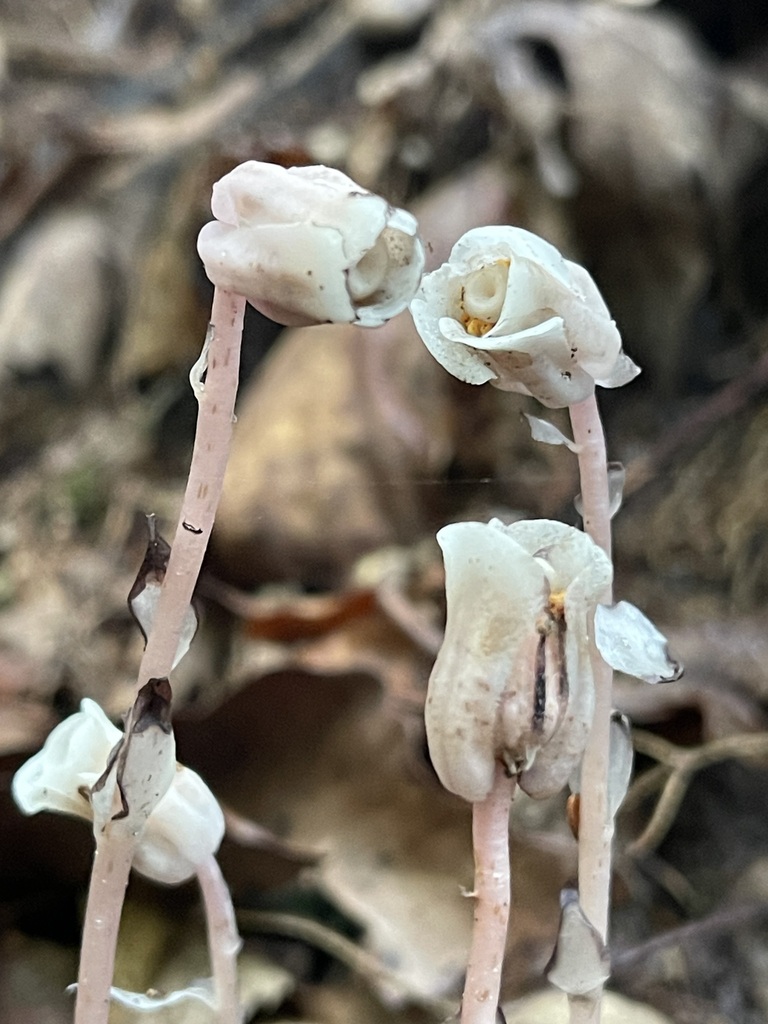
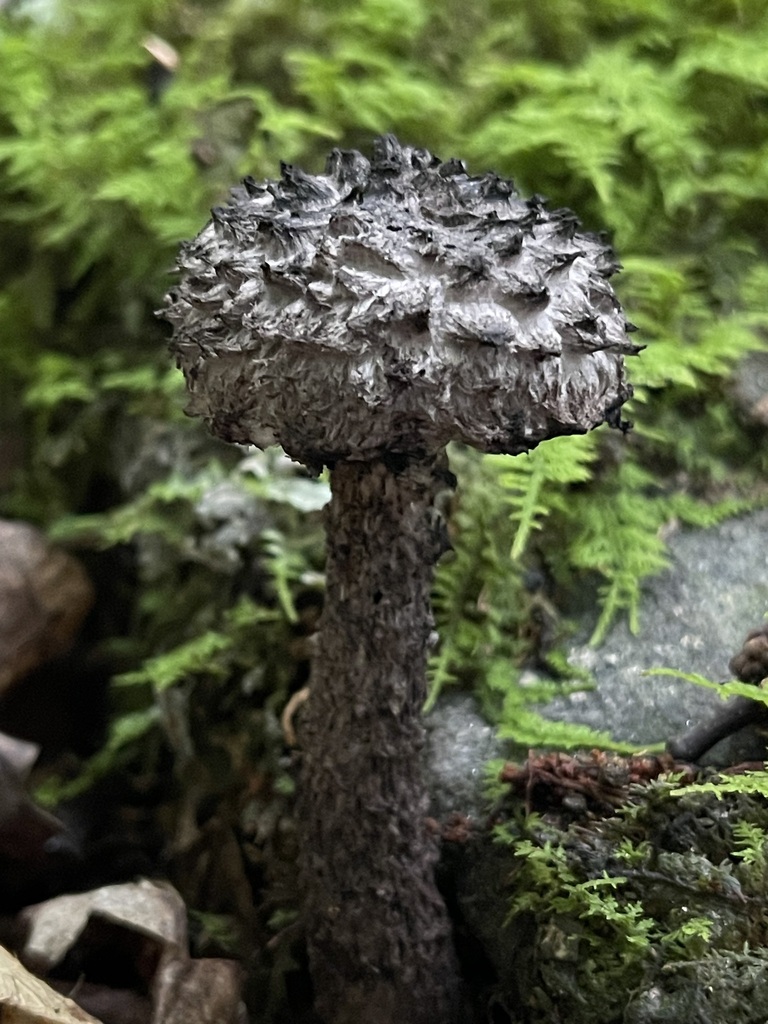
Emerald water is only the beginning. Yellow-ochre sandstone, cardinal flowers, mushrooms, newts, sunfish, lichens, mosses, and changing forest color fill Laurel’s water and woods. The Laurel River Lake Color Guide pairs my photographs with the iNaturalist observations behind them, gathering the lake’s natural rainbow into one close look.
At the waterline
Each cove and creek has its own habitat
Open water, a shaded creek, a sandstone shelf, and a wooded cove can sit close together, while the light, water, rock, wildflowers, ferns, and mosses change quickly between them. A flower against sandstone or a leaf changing the water color is enough to make me stop the boat.
The photograph records the plant with the place around it: creek stone, moss, mushrooms, insects, leaf litter, shade, and reflected water. I make artwork from those relationships because that is how I find them.
From field observation to canvas
Laurel’s native plants and creeks become botanical canvas prints
I make these artworks from days spent along the banks and creeks, watching how flowers, shade, stone, and water meet.
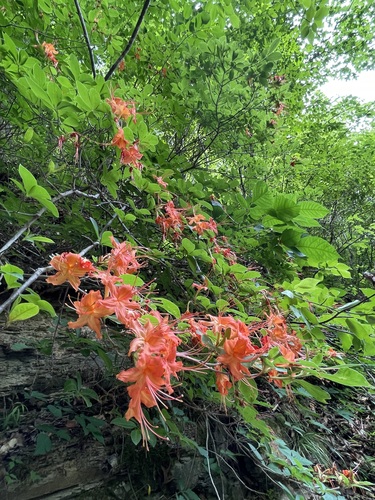
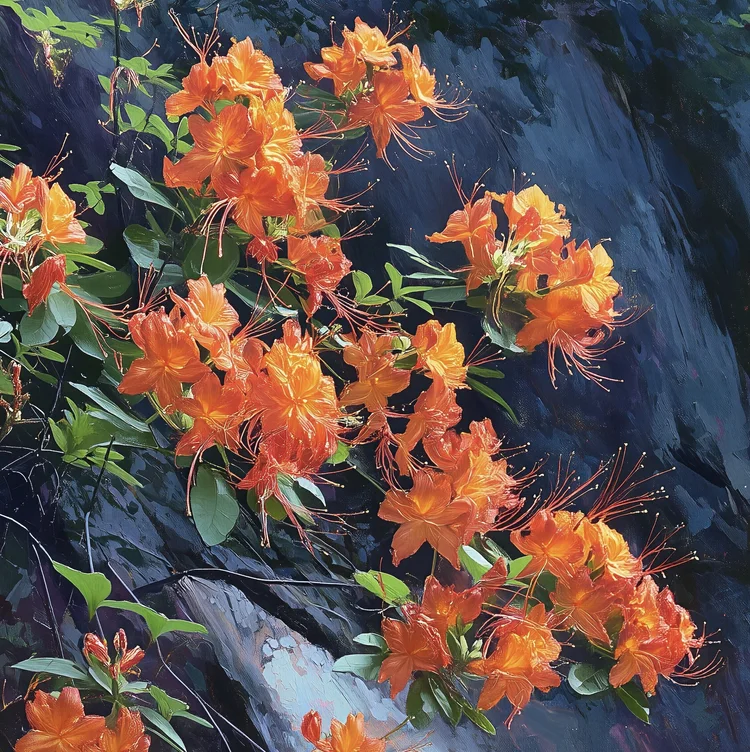
 Cumberland Azalea on Purple SandstoneNative azalea, sandstone, and emerald water color from Appalachian bank country.Native FlowerBotanical CanvasCanvas print · From $59 · Ready to hang
 Great Laurel Over Clear CreekWhite rhododendron blooms, clear creek water, shade, stone, and reflected green.Great LaurelCreek WaterCanvas print · From $49 · Ready to hang
 Beneath Ancient LeavesUmbrella magnolia, filtered rain light, fern green, and Appalachian understory.Umbrella MagnoliaAppalachian FloraCanvas print · From $49 · Ready to hang
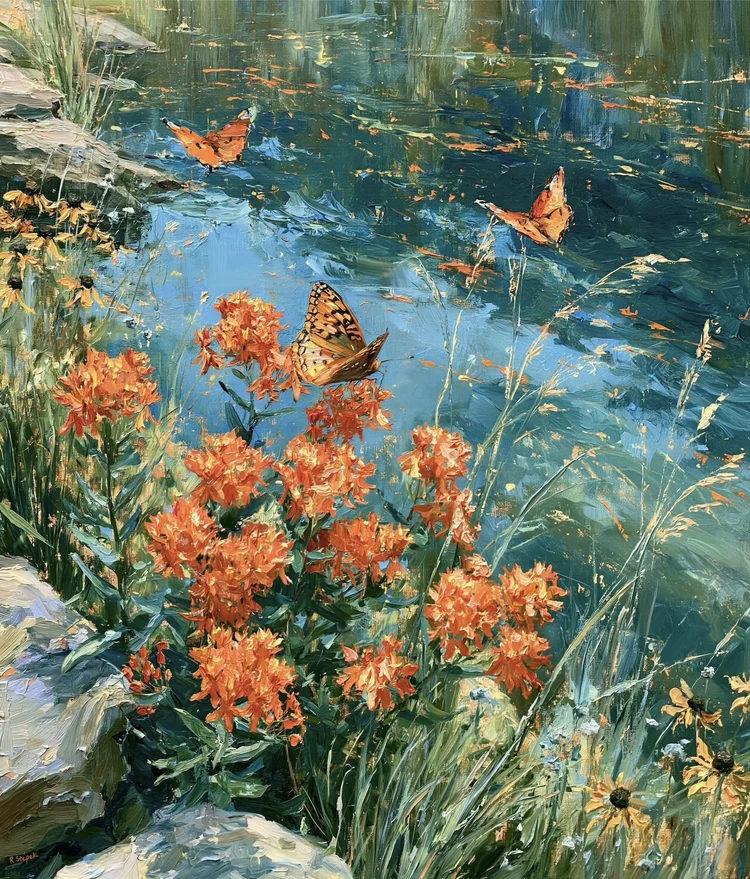 Where the Fritillaries GatherButterfly milkweed, moving wings, grasses, rock, and freshwater color.Butterfly MilkweedWaterline LifeCanvas print · From $49 · Ready to hang
Lakehouse Goods
Laurel continues under the canopy
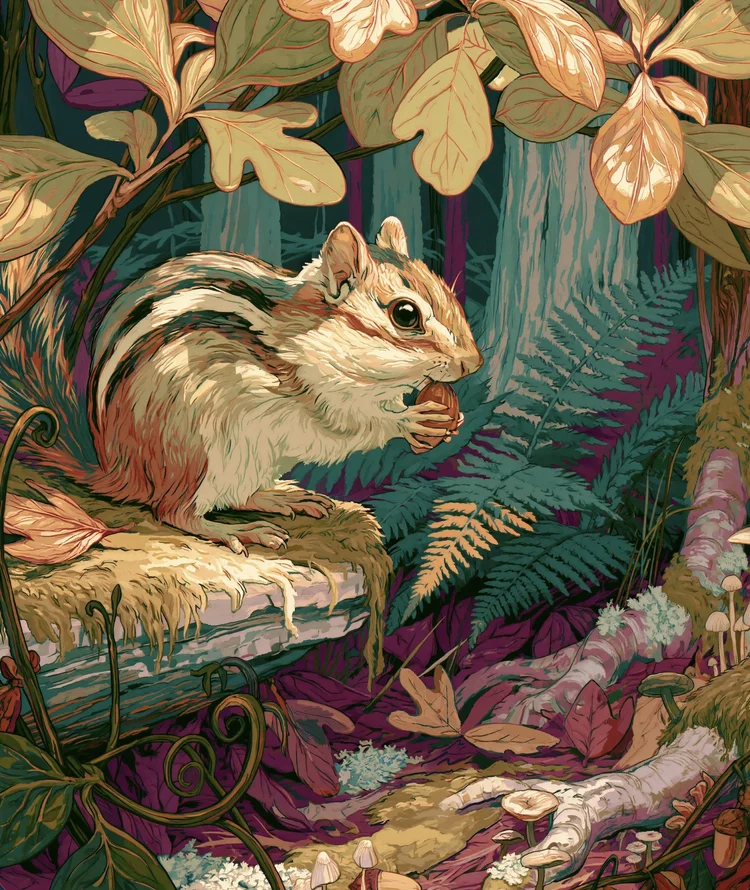
In Daniel Boone, I photograph beech roots, sassafras, mossy logs, mushrooms, birds, and small animals moving through the woods. They appear in Lakehouse Goods as smooth archival matte Art Prints, wall tapestries, and Art Puzzles.
The Canvas Collection follows the water; Lakehouse Goods moves under the canopy. Both begin with the same days around Laurel and Daniel Boone, a camera close by.
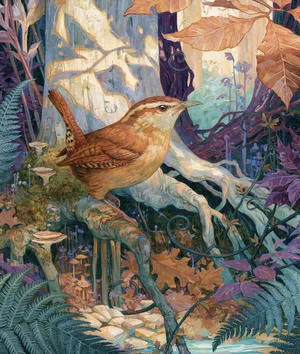
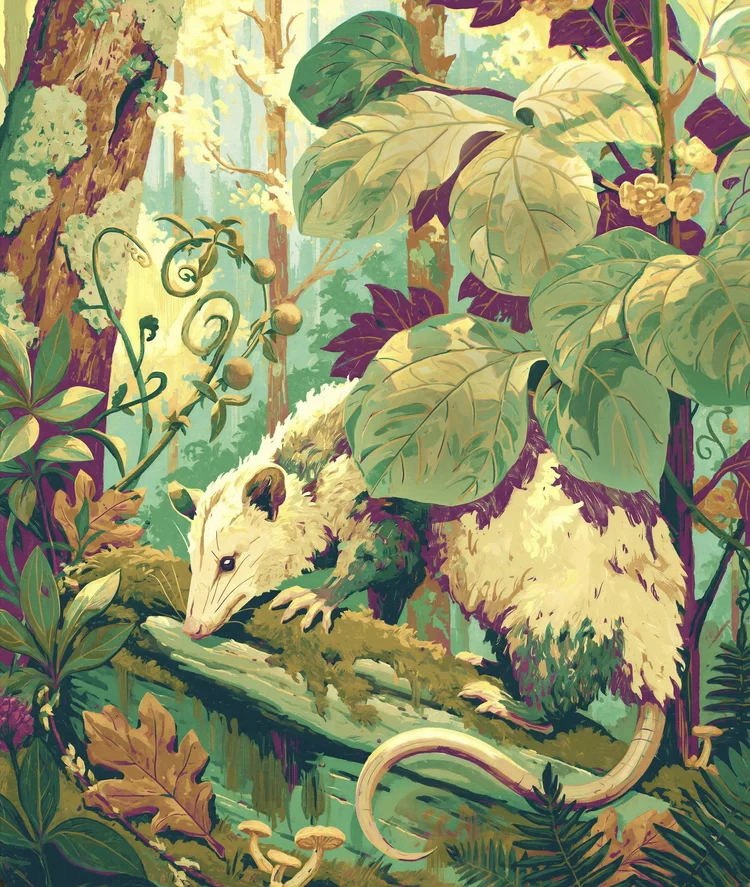
Art Prints arrive unframed. Wall tapestries are lightweight 100% polyester with hemmed edges and no built-in hanging system. Art Puzzles come in a paper box with a reference print. U.S. shipping is included in the prices shown.
Studio note
A series of Laurel River Lake oils is in progress
I’m working through seven large oils built from Laurel River Lake places, light, and field photographs. I’m sharing the paintings as they change—the decisions, the paint-overs, and the parts that finally come together—while I work toward a possible show in 2027.
Follow the series as it changes →
Laurel & Daniel Boone
The lake and forest behind the artwork
I grew up camping and fishing at Laurel with my grandparents. Now my husband and I explore the lake and the Daniel Boone National Forest around it, with a camera close by.
Laurel’s broad coves narrow into close places where Daniel Boone’s mixed forest reaches the water. Emerald water runs over yellow-ochre sandstone, and the lake shifts from High Top evening light to the deep shade of Spruce Creek, Rogers Creek, and the south-end waterfalls.
Those photographs keep the exact water, stone, wildflowers, ferns, mosses, and light close when I’m in the studio.


Laurel River Lake art
Take a piece of Laurel home
Explore water, woods, native wildflowers, ferns, mosses, and wildlife across the Canvas Collection and Lakehouse Goods.