
Wildlife at the Water’s Edge: Quietly Discovering Nature’s Small Miracles

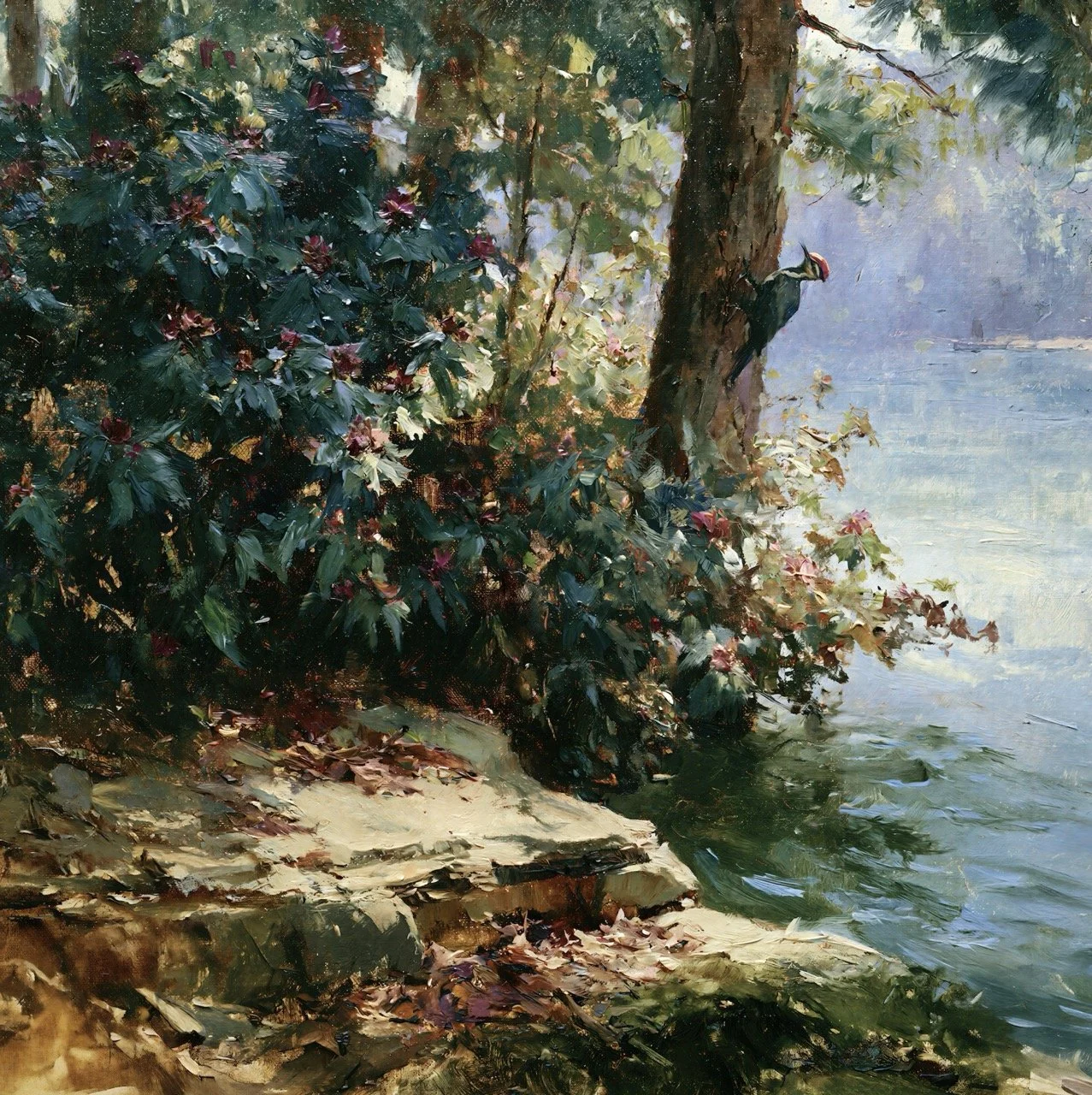
I think my favorite thing about the lake has always been discovery.
Not just fishing, even though I love that. Not even swimming, though I could stay in the water for hours. What I love most is moving slowly enough through a place that it starts revealing itself.
That’s how When the Water’s Up began.
Nathan and I spend a lot of time exploring Kentucky lakes together with our dogs, usually easing from one shaded slew or narrow cove to the next so the dogs can jump out, run the banks, swim, and wear themselves out before climbing back into the boat dripping wet and happy. Those little stops became some of my favorite parts of the day. We’d pull into places that looked almost hidden from the main lake — cool pockets under rhododendron and hardwood canopy where the light changed completely and everything felt softer, quieter, and more enclosed.
And every single stop held something.
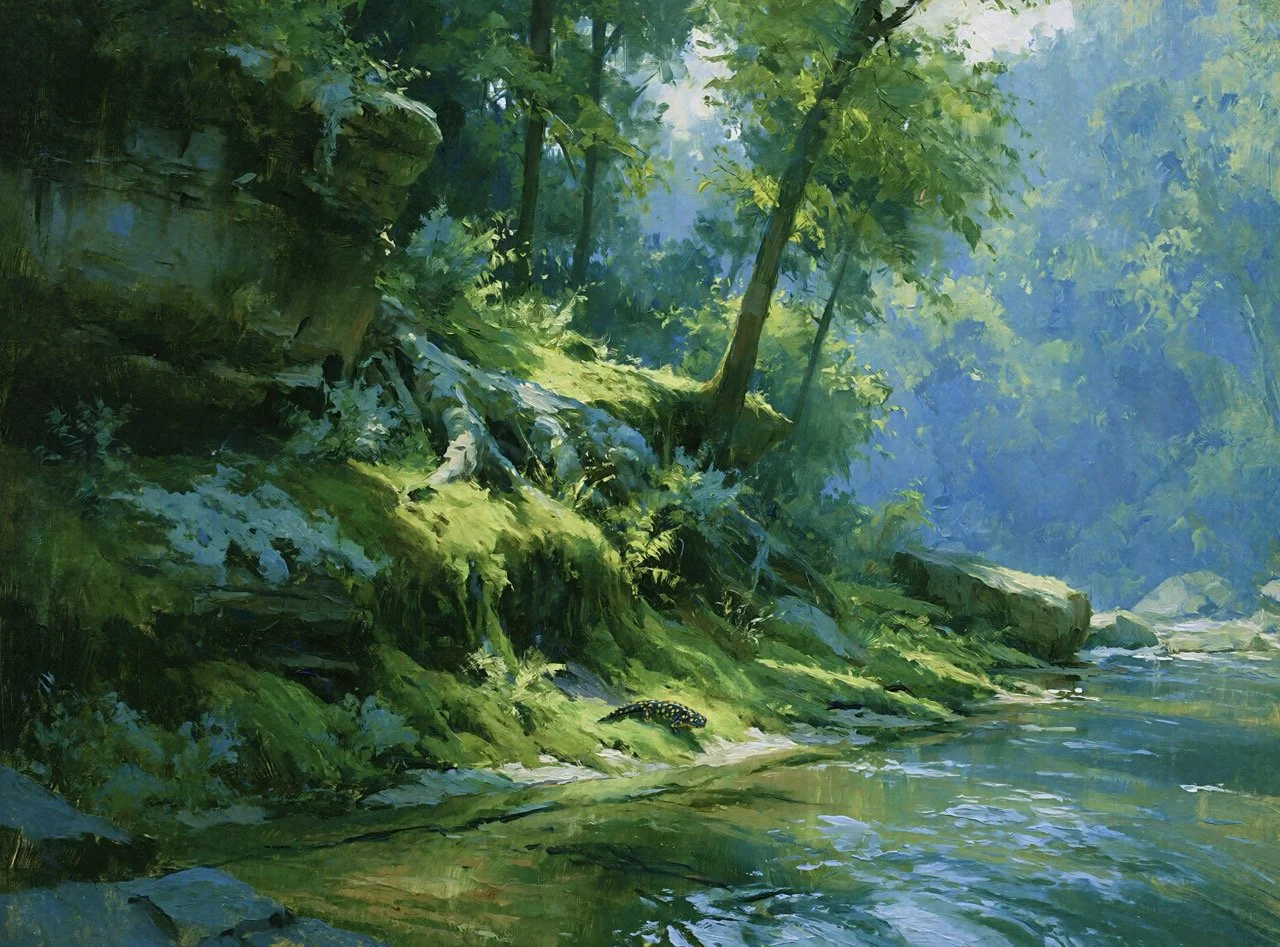
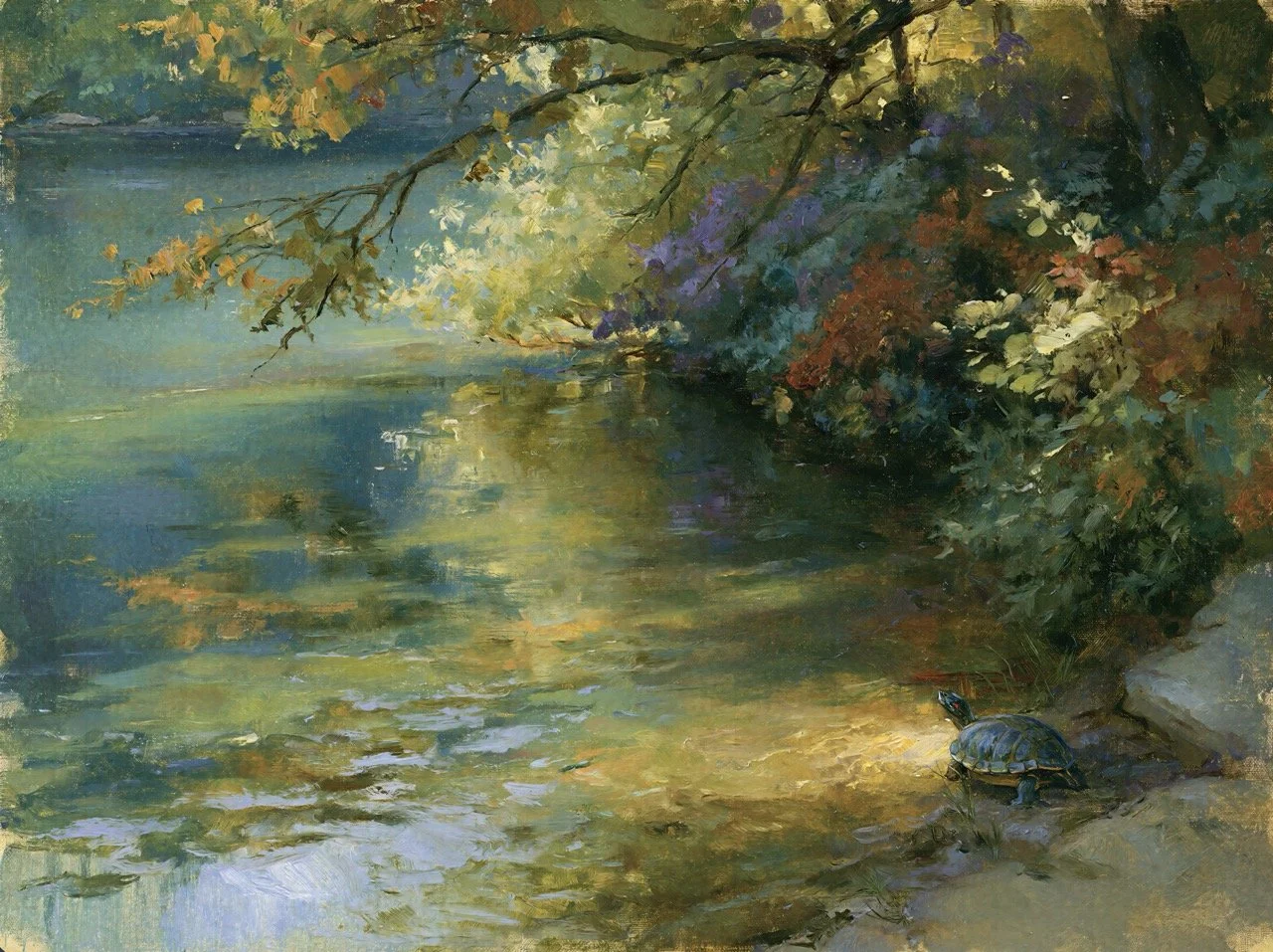
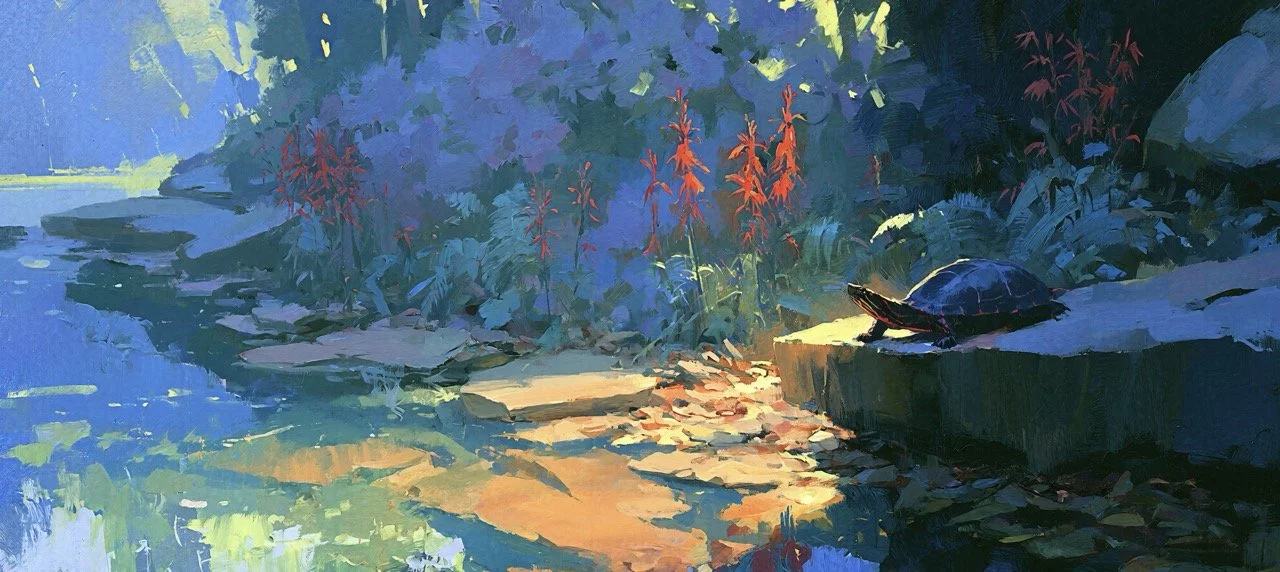
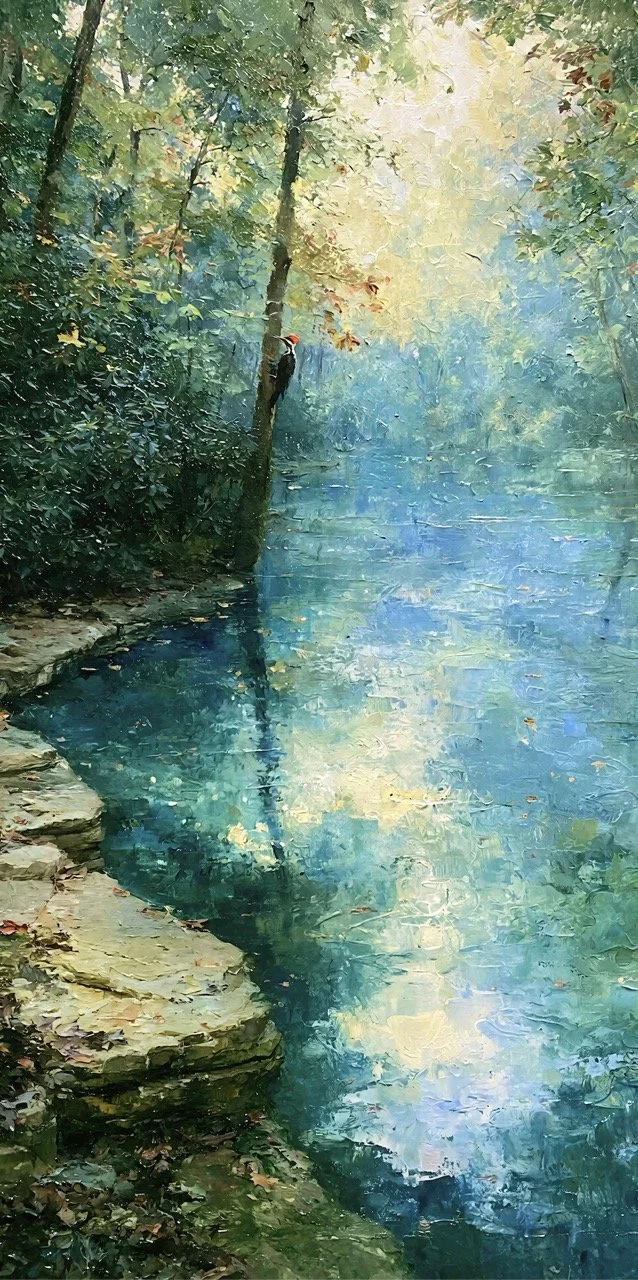
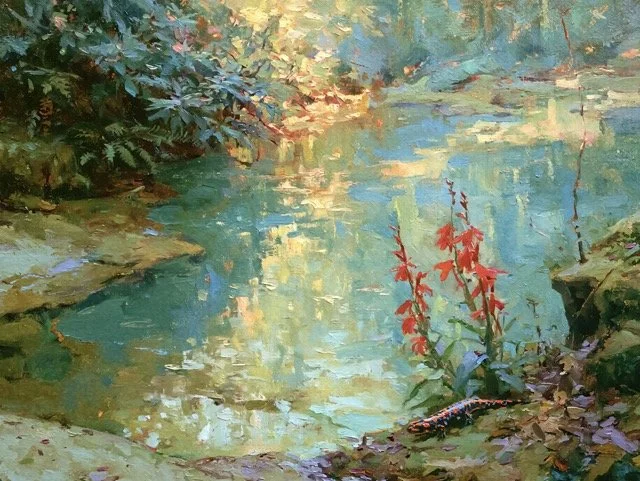
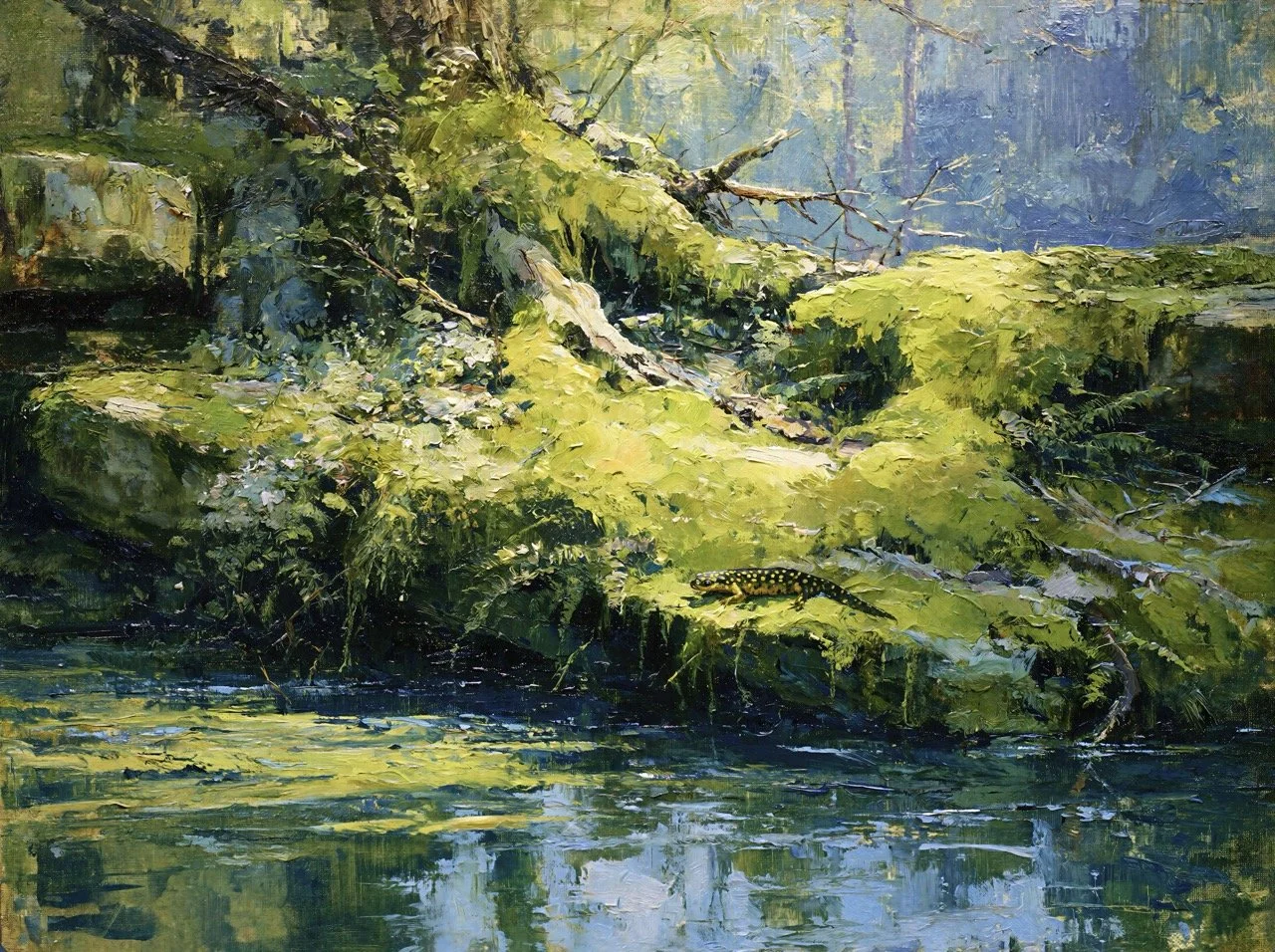
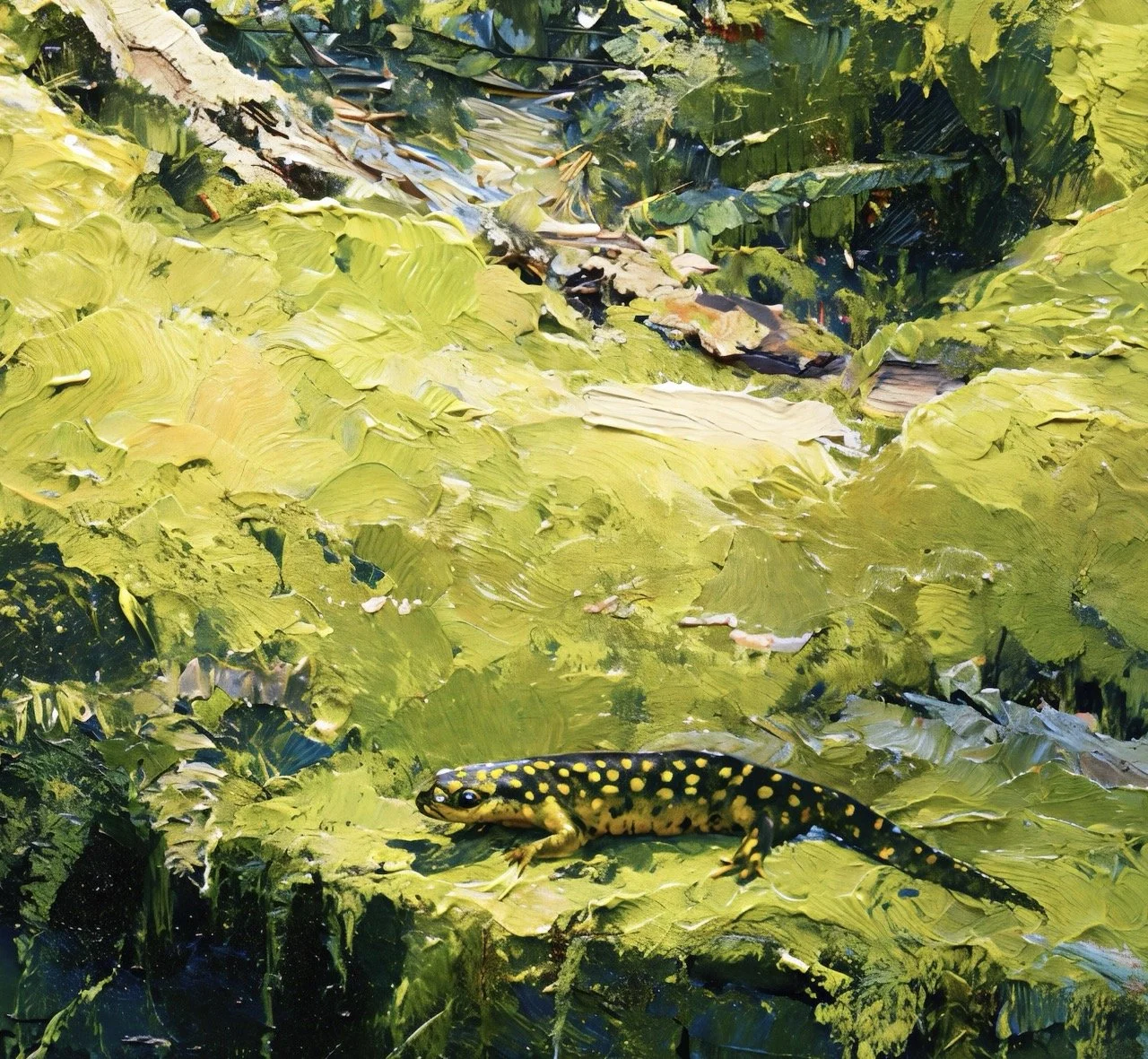
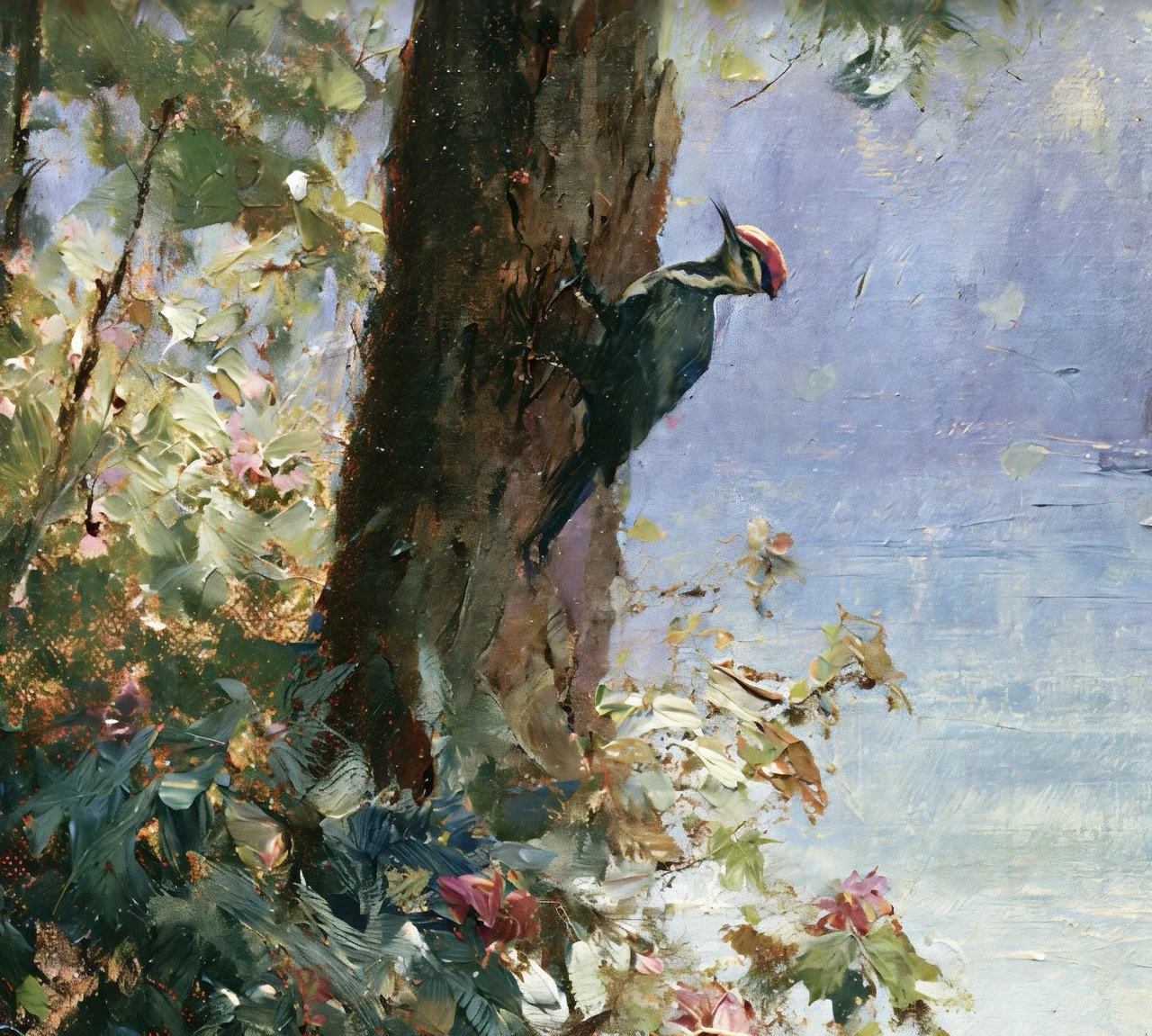
A salamander resting low against moss-darkened stone. A painted turtle warming itself in one narrow strip of sunlight. A chipmunk moving across driftwood at the edge of the bank. A woodpecker climbing bark above the waterline while reflections moved underneath it. Tiny discoveries, over and over again.
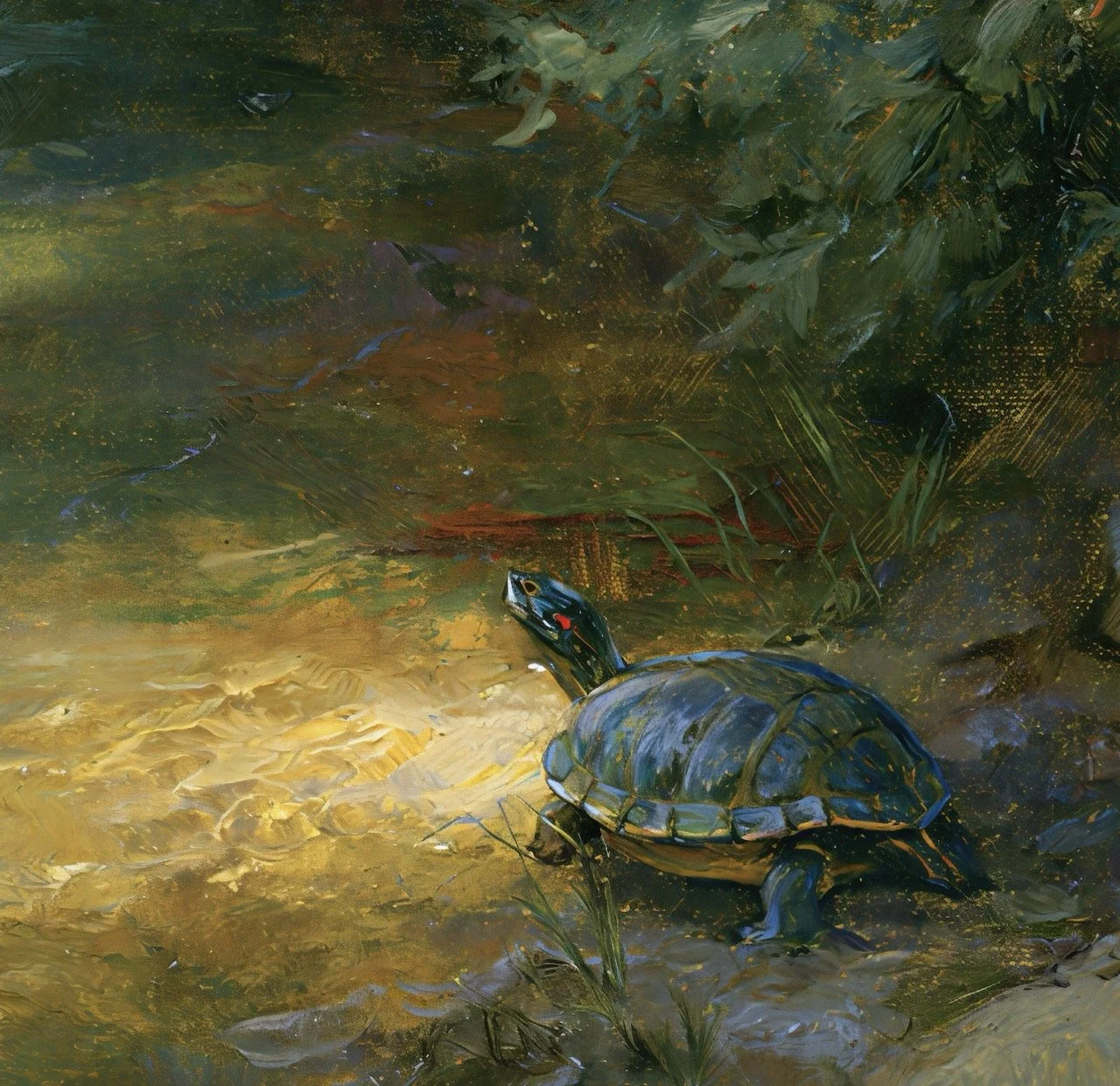
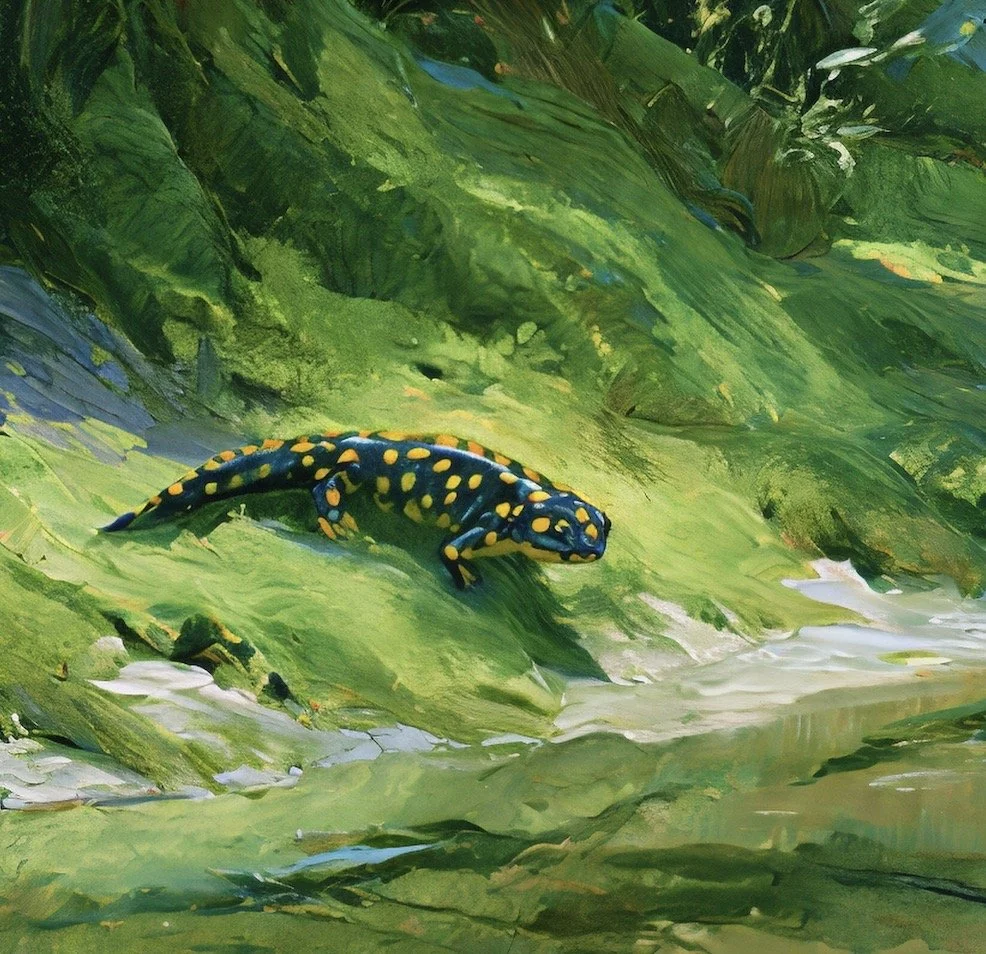
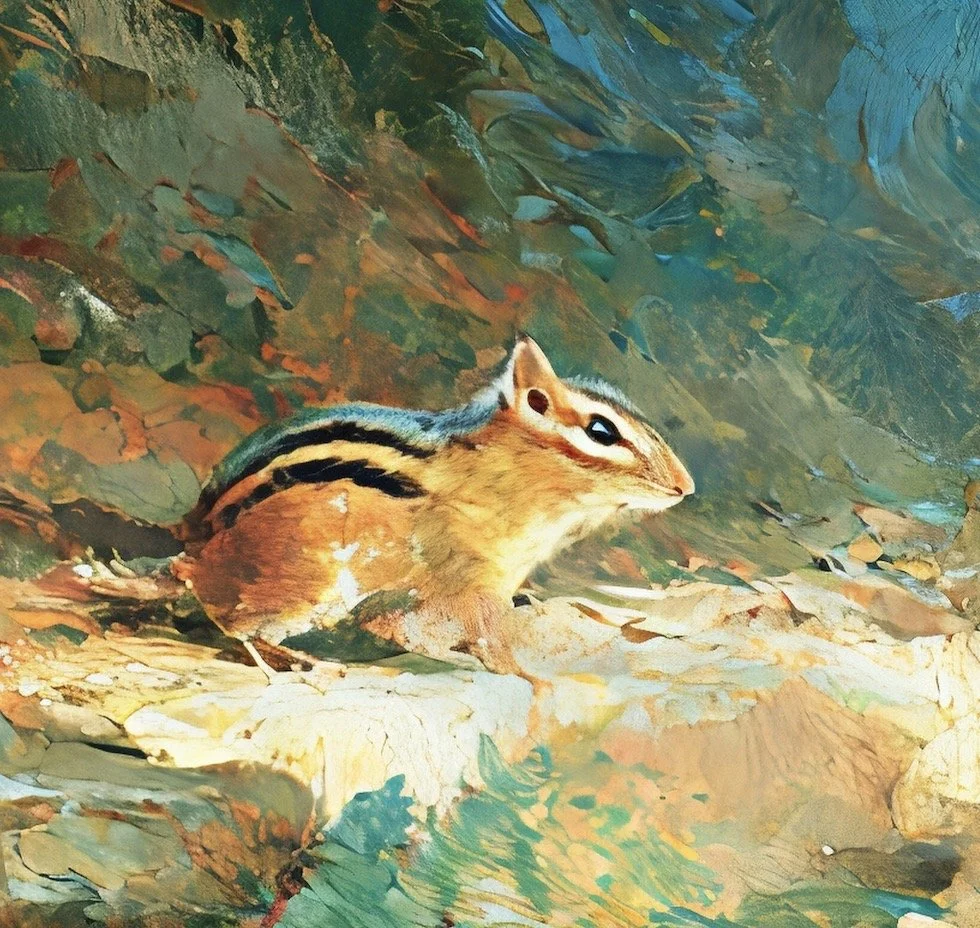
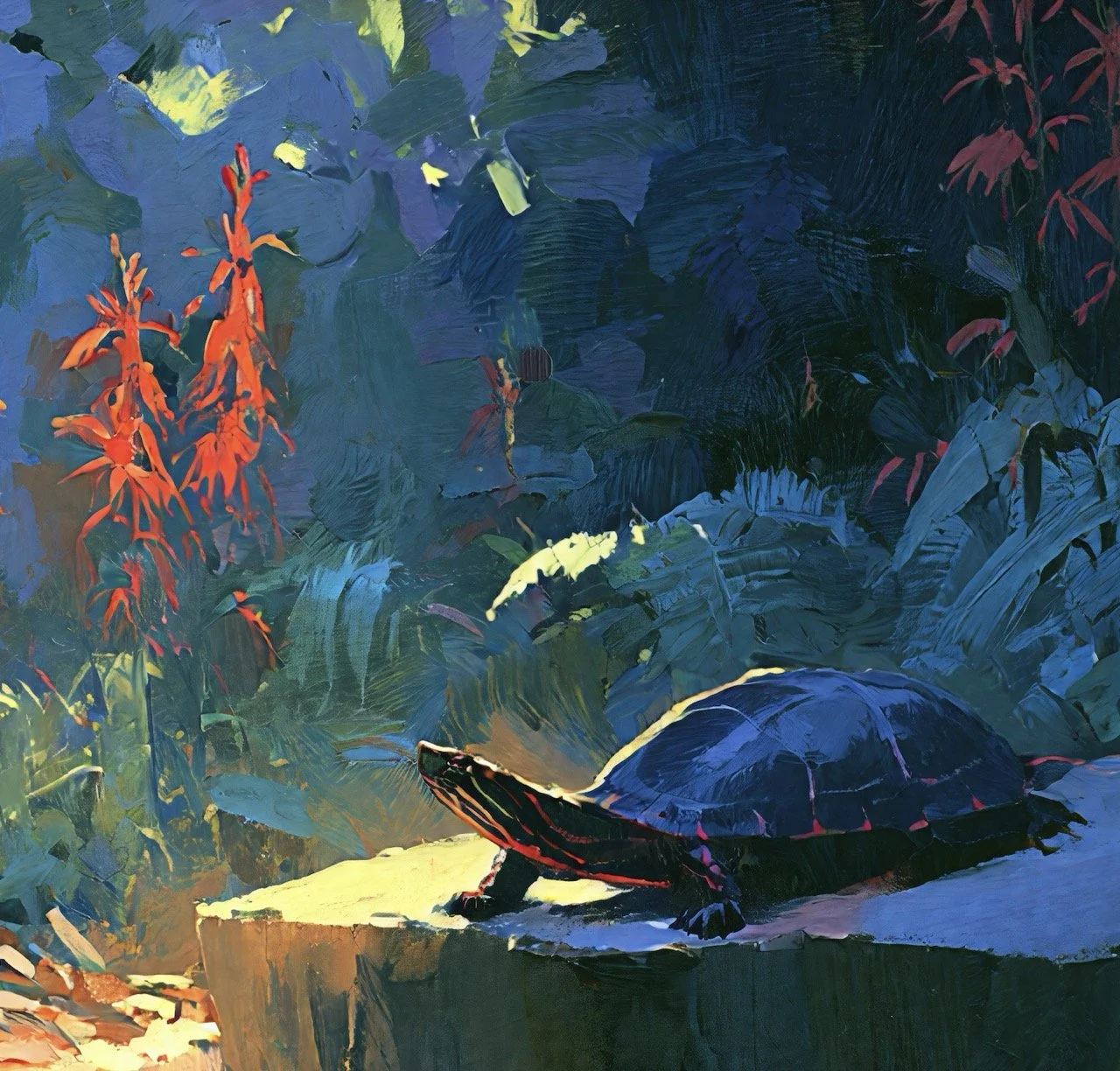
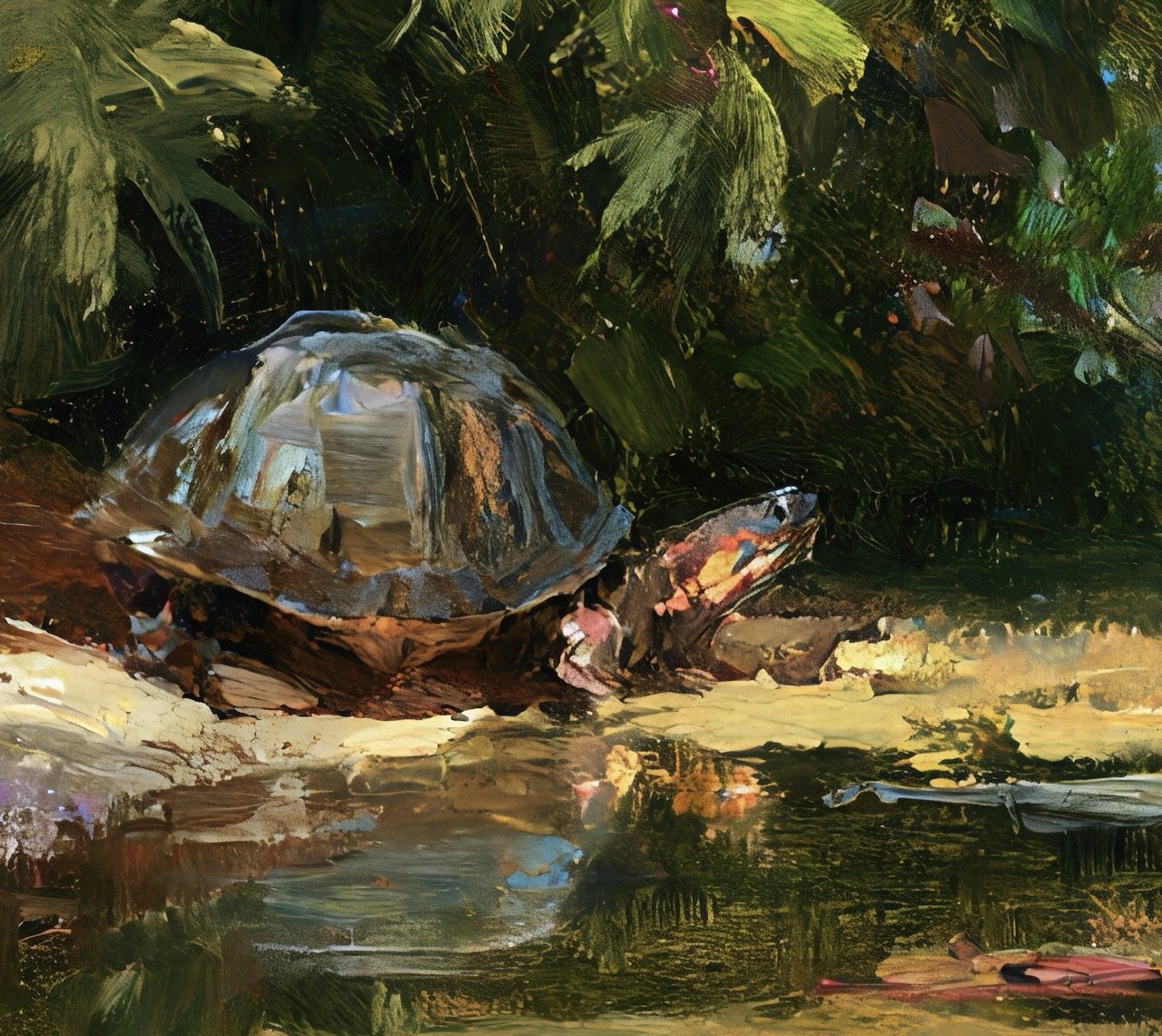
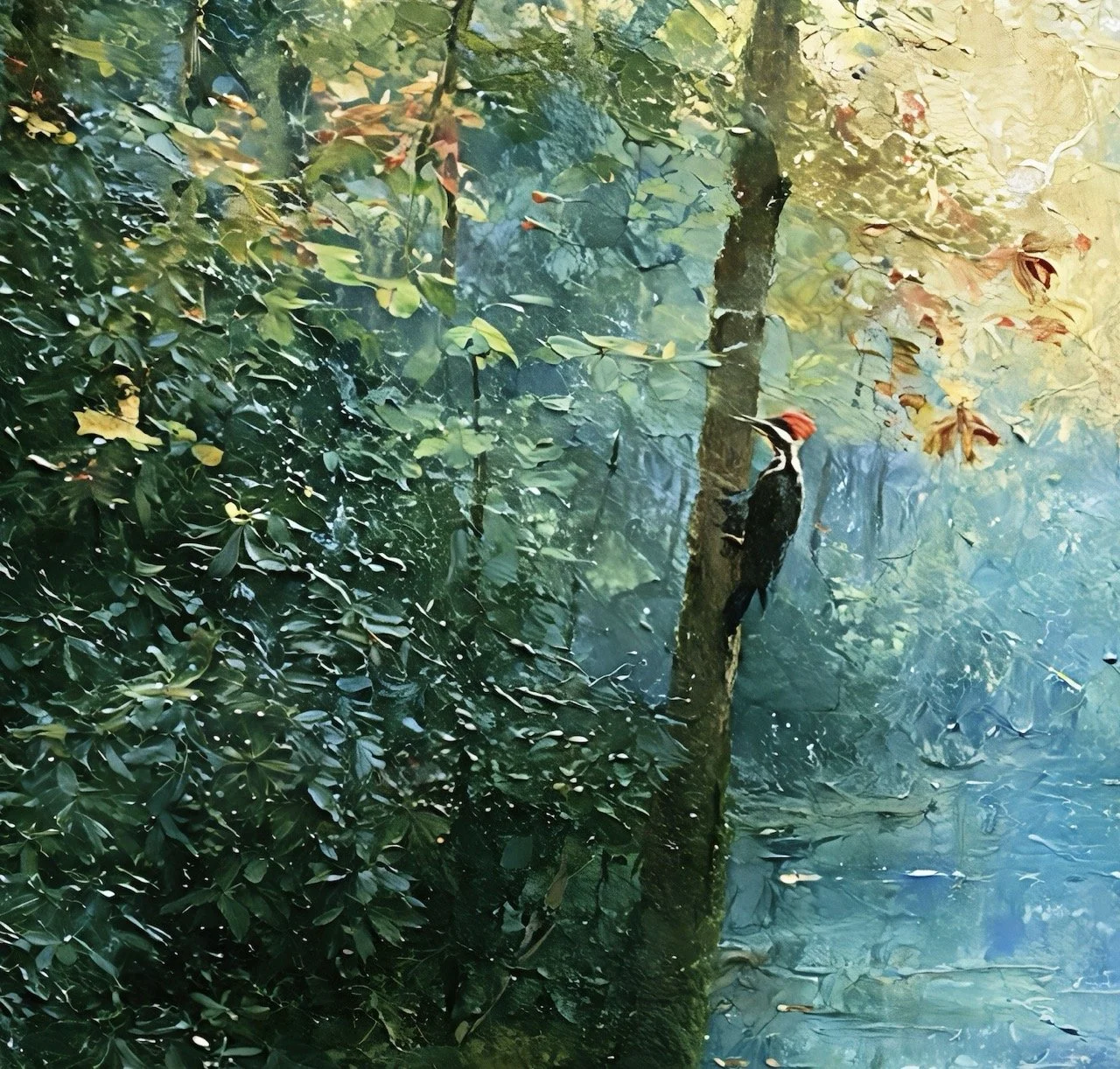
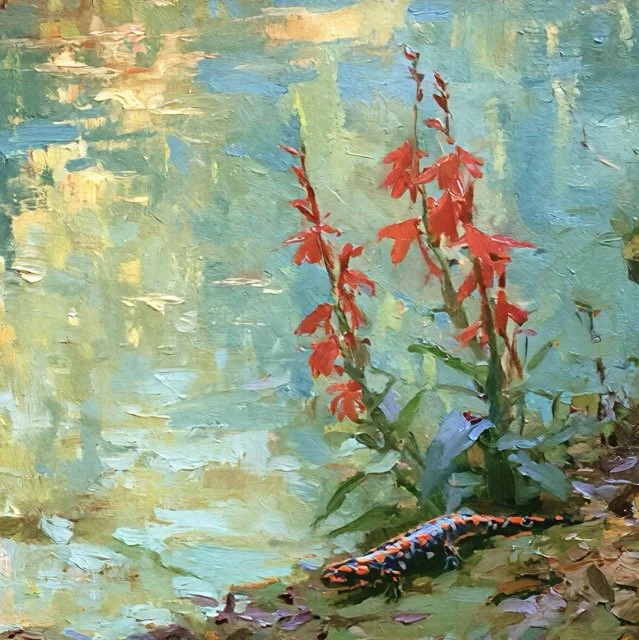
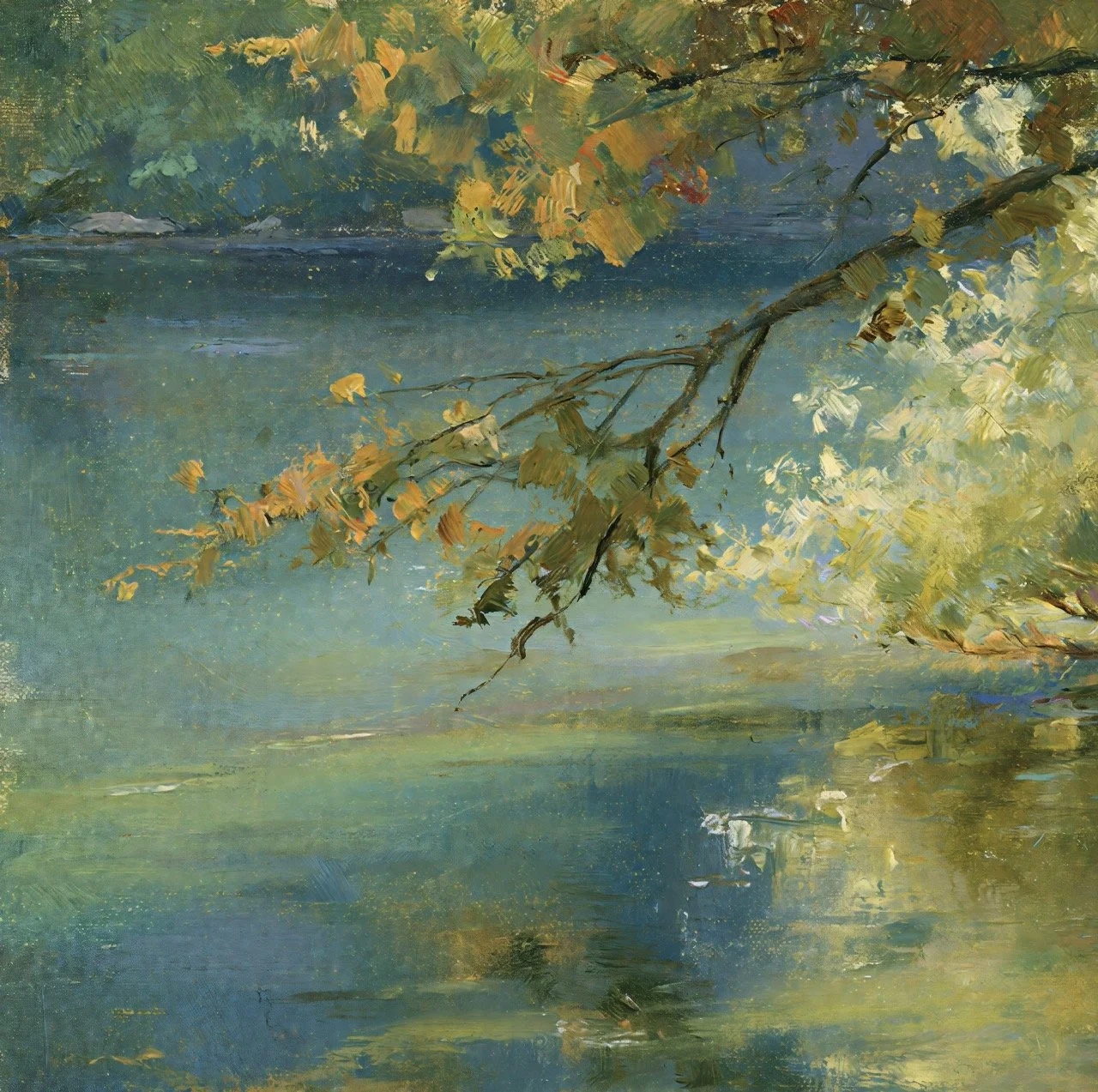
That feeling became the center of this collection.
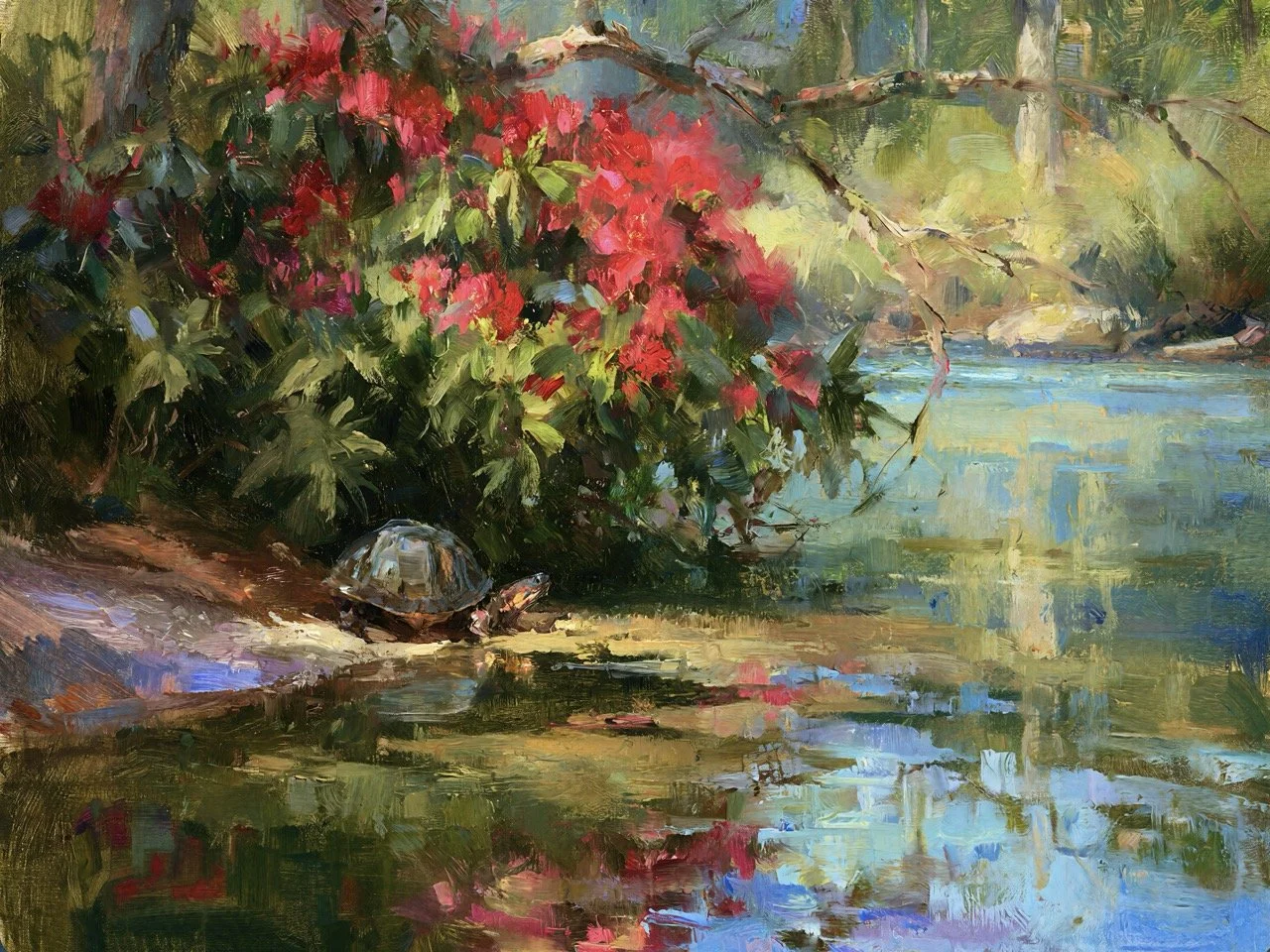
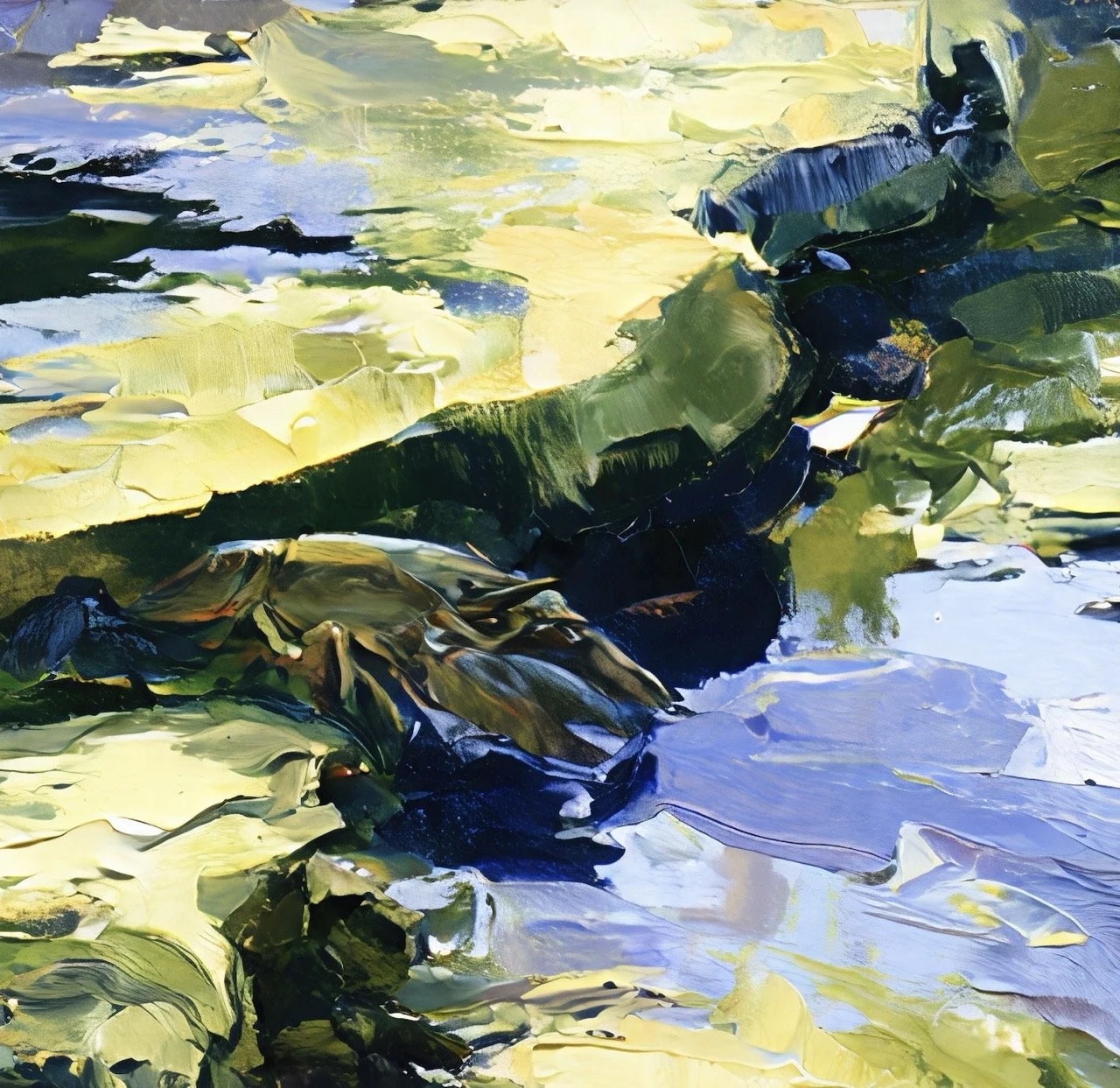
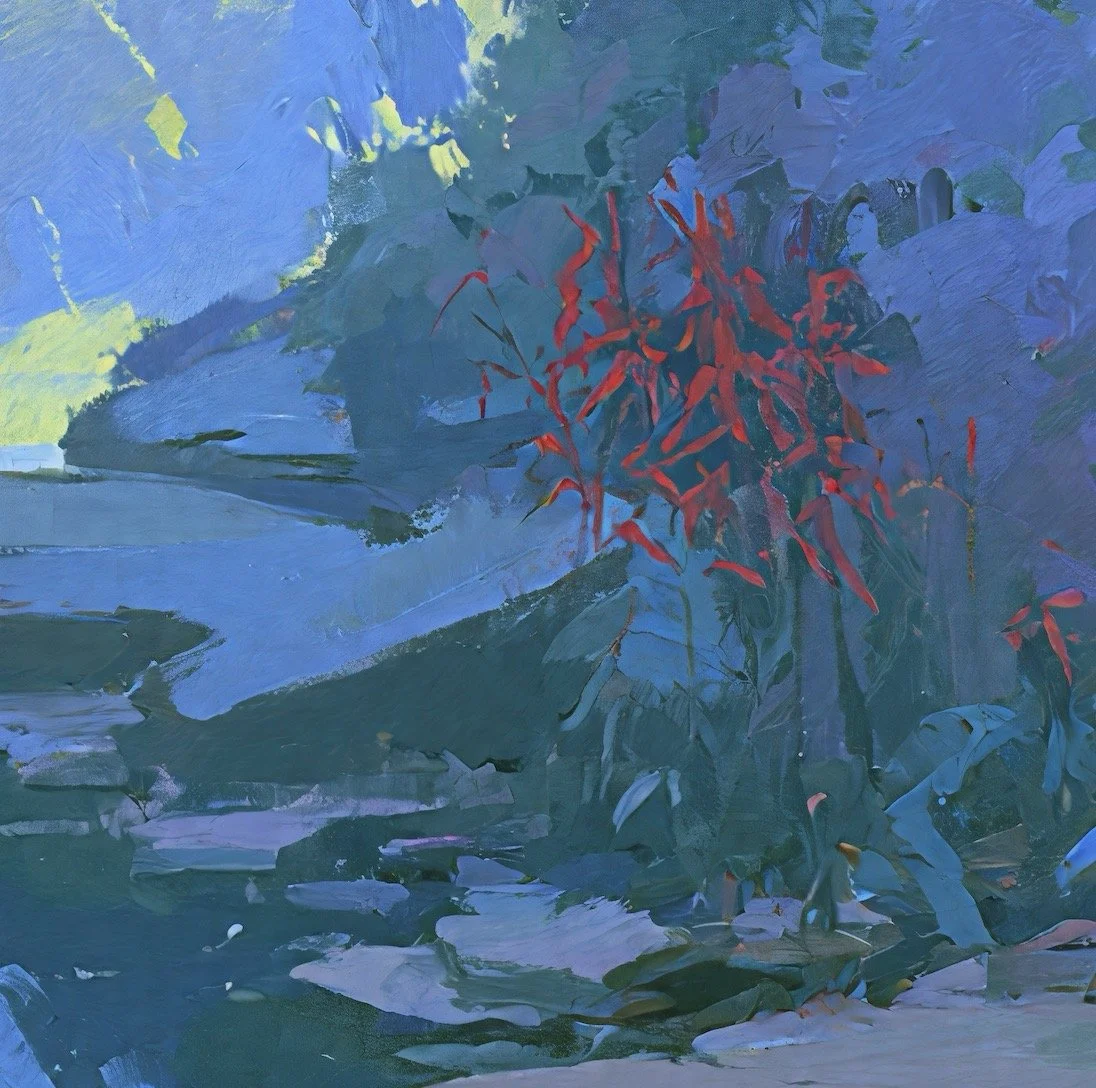
The title, When the Water’s Up, comes from something very real to these Appalachian reservoirs. When the water rises, the shoreline changes. Moss creeps closer to the surface. Roots disappear into reflections. Cardinal flowers and Rhododendron lean out over flooded edges. Coves tighten inward and become more intimate. Places that already felt hidden begin to feel almost secret.
Those are the conditions these paintings are built from.
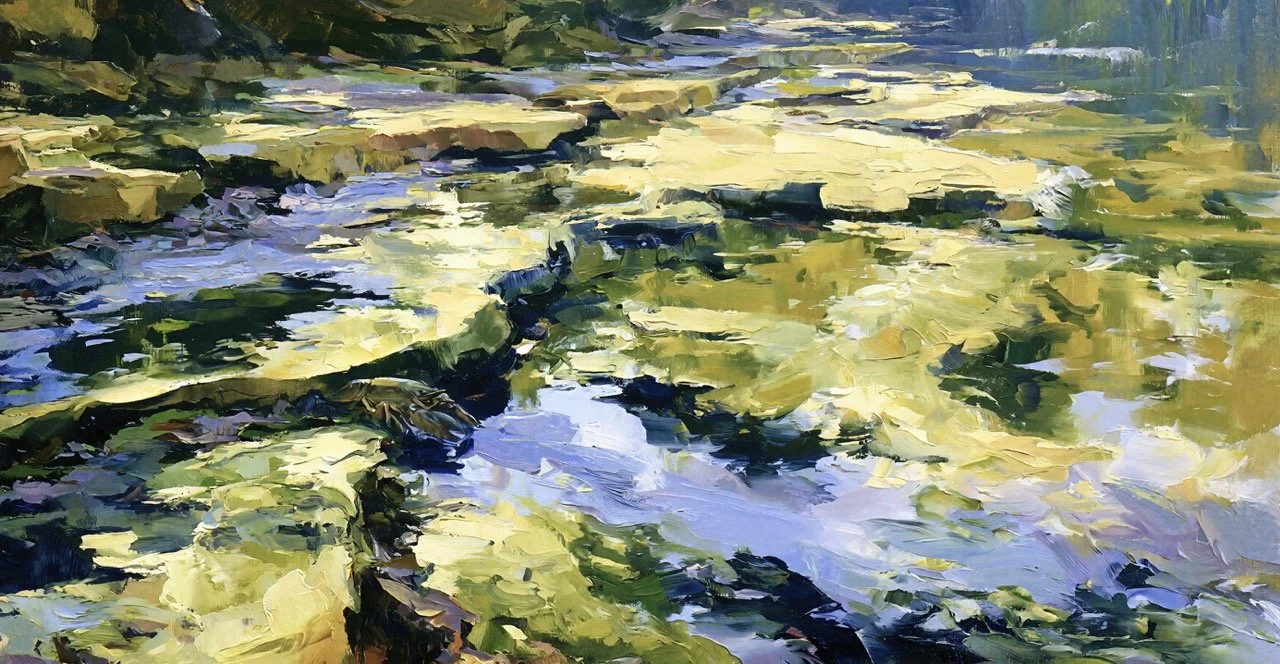
Every piece is painted from low to the water because that’s how these places are actually experienced. Not from scenic overlooks or wide aerial views, but from the edge itself — drifting slowly along sandstone banks, watching reflected light shift from blue to green to muted gold depending on the depth and the trees above it.
The more I worked on these paintings, the more I realized they weren’t really about scenery at all.
They were about attention.
About the strange calm that happens when you stop trying to be entertained and start noticing things instead. The coves in this collection are quiet in a very physical way. The air cools. Sound narrows. The light softens. Your breathing slows down without you realizing it. The whole environment encourages observation.
That’s why the animals are painted the way they are.
They are not meant to dominate the composition or announce themselves immediately. They exist the way they do in real life — integrated into the shoreline, half-hidden in moss or shadow, easy to miss until your eyes settle into the environment long enough to find them. I wanted the viewer to experience them the same way we do on the lake: through discovery.
The ecological side of these places matters deeply to me too. These flooded banks and shallow shoreline edges are living transition zones shaped constantly by water level, shade, moisture, and reflected light. Mosses spread thick across damp sandstone. Ferns grow from seams in rock. Cardinal flowers rise from saturated soil near the edge. Salamanders, turtles, crawfish, and small shoreline creatures depend on those cool protected spaces remaining intact.
That truth is part of the beauty of them.
I wanted these paintings to feel immersive and specific to Kentucky without becoming overly romanticized versions of nature. The colors are heightened the way memory heightens them — blue water becoming almost luminous in deep shade, moss carrying yellow-green light, violet shadows settling into sandstone — but the environments themselves are rooted in real places and real observation.
In the end, When the Water’s Up became a collection about what happens when you move slowly enough through the world to notice that it was alive the whole time.
Not dramatic moments.
Not spectacle.
Just the quiet reward of paying attention. —Rachel
